
Last updated November 3, 2026
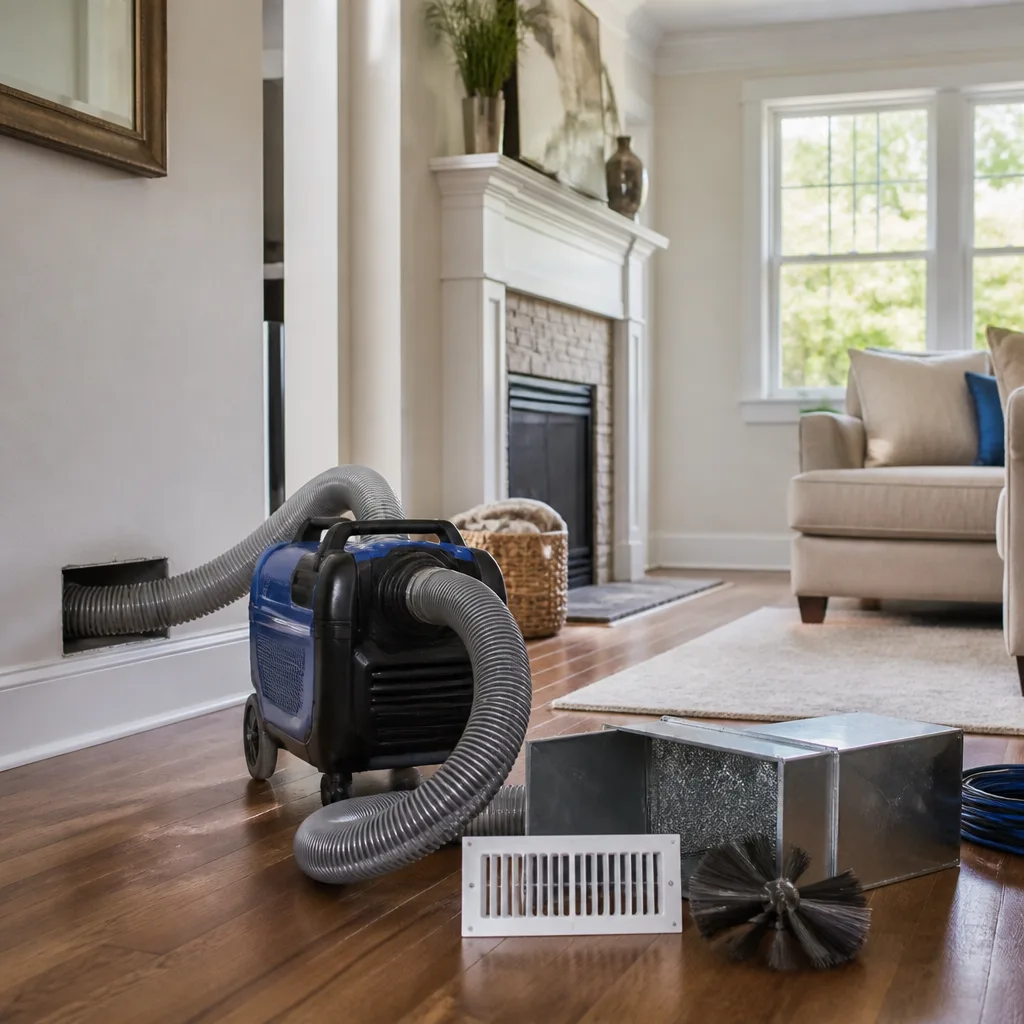 Whole-home duct cleaning
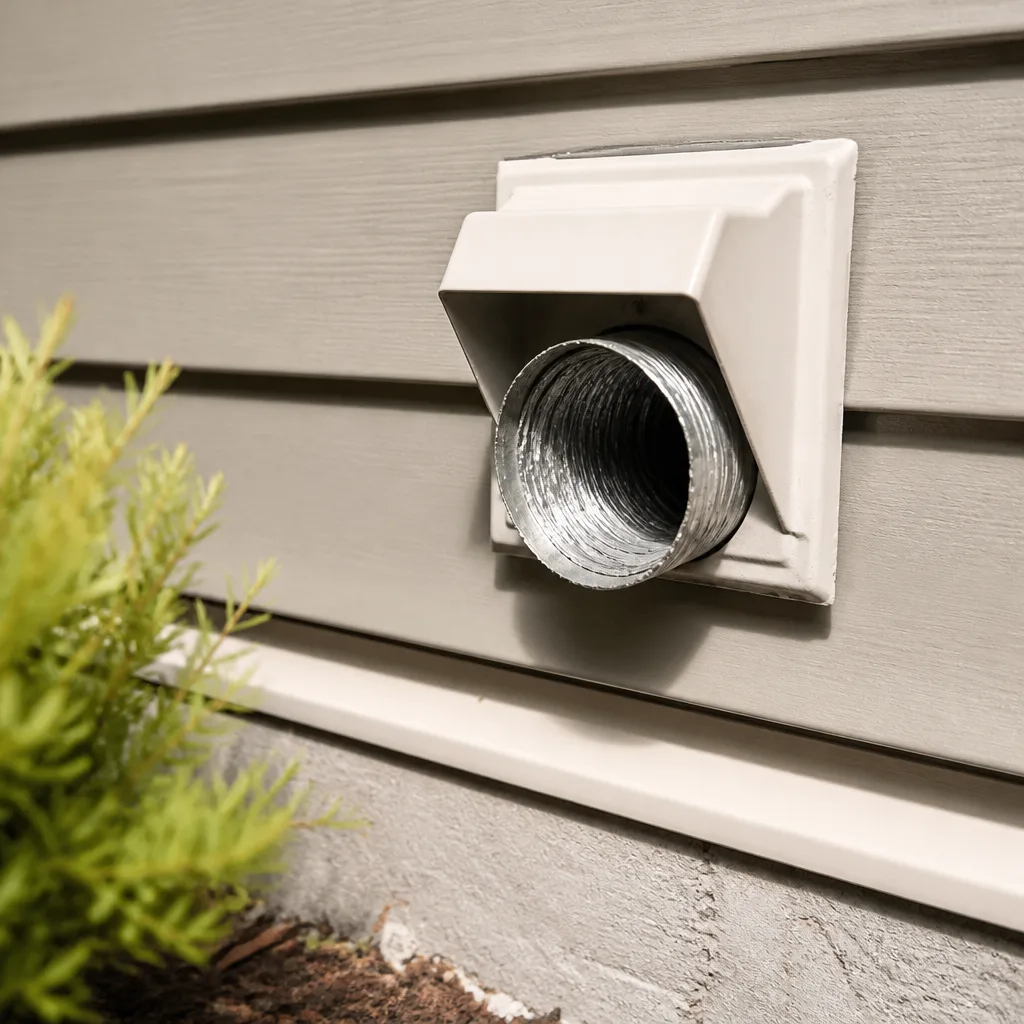 Dryer vent cleaning
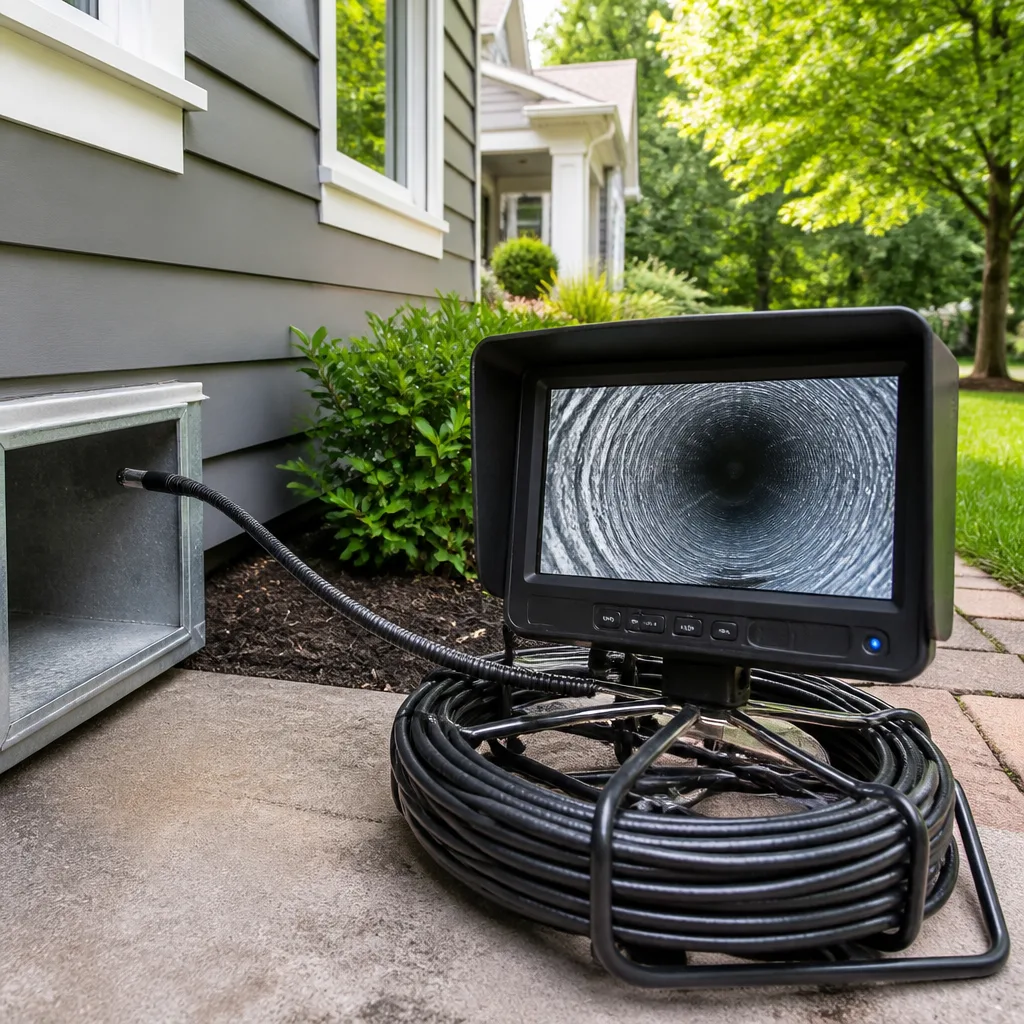 Camera inspection
 Sanitizing & deodorizing
Whole-system duct and dryer vent check with before-and-after photos - you see exactly what came out of your vents
That "$99 whole-house special" is a bait ad - the real number appears once they are in your hallway, or the "clean" is a shop-vac at the register. We photograph the inside of your ducts before and after instead.
The Complete Air Duct Cleaning Guide for North Sacramento Homeowners
Sacramento’s Central Valley air ranks among the most particulate-polluted in the nation for more than 100 days per year, yet most duct cleaning advice ignores what that means for the debris loading inside a typical North Sacramento home. The air outside becomes the air inside, and your ductwork is the delivery system. Our Complete Guide to Air Duct Cleaning in North Sacramento explains how local climate, construction style, and HVAC usage patterns create specific duct contamination profiles, and what a legitimate professional cleaning actually involves. You’ll learn how to evaluate equipment, verify work was done, and determine realistic cleaning frequency for your system.
Quick Answer
Air Duct Cleaning in North Sacramento typically costs $350 – $600 for a whole-home system, should be performed every 3 – 5 years (adjusted for local conditions), and requires professional-grade negative-air or contact vacuum equipment rather than consumer shop vacs. Homes in North Sacramento face accelerated duct debris accumulation due to agricultural particulates, valley heat driving extended HVAC runtime, and slab-on-grade construction that concentrates debris in return-air plenums. A legitimate clean includes before-and-after photo documentation and a written inspection report.
Styles & brands we work with
- Whole-home duct cleaning
- Dryer vent cleaning
- Camera inspection
- Sanitizing & deodorizing
Table of Contents
- Why North Sacramento Homes Accumulate Debris Faster
- How Slab Construction Affects Duct Contamination
- The Equipment Difference: Negative-Air vs. Contact Vacuum
- What a Legitimate Clean Actually Involves
- How to Verify the Work Was Actually Done
- How Often Should You Clean Your Ducts?
- Repair vs. Cleaning: When Cleaning Isn’t Enough
- Common Mistakes to Avoid
- When to Call a Professional
- Frequently Asked Questions
Why North Sacramento Homes Accumulate Debris Faster
North Sacramento sits in the northern reach of the Central Valley, where geography works against indoor air quality. The valley’s bowl-like topography traps particulate matter from three distinct sources: agricultural activity in Yolo and Sutter counties to the west and north, vehicle emissions from Interstate 80 and Highway 99 corridors, and seasonal smoke from prescribed burns and wildfires. Unlike coastal California homes that benefit from marine air flushing particulates out, North Sacramento air stagnates under inversion layers, particularly from November through February.
What does this mean practically? We see homes in North Sacramento and South Natomas with visibly gray duct interiors after just four to five years, where a comparable home in San Francisco might go eight years before showing similar buildup. The particulate loading is existential, not optional. Your HVAC system pulls this air through the return registers, deposits the fine fraction on duct walls and the air filter, and recirculates what the filter misses. The filter catches the big stuff. The small stuff, the PM2.5 and finer, sticks to duct surfaces and becomes a reservoir.
Summer ozone events compound the issue. Sacramento’s ozone season runs May through October, with the Sacramento Metropolitan Air Quality Management District frequently issuing Spare the Air alerts during heat waves. Ozone drives chemical reactions that make existing duct debris more adhesive and more irritating when disturbed. A North Sacramento homeowner running their AC for 2,000+ hours annually, which is common from June through September, is actively baking these particles onto duct surfaces. That’s why we calibrate cleaning frequency to runtime hours rather than calendar years, a distinction we’ll cover in detail below.
How Slab Construction Affects Duct Contamination
Most North Sacramento homes, particularly in the postwar subdivisions and the Natomas Basin developments built since the 1990s, sit on slab-on-grade foundations. This matters for duct contamination in a way that most generic guides miss entirely. In slab construction, return-air pathways often run through wall cavities or under-slab channels rather than through accessible crawl spaces. When debris enters these pathways, it accumulates in predictable, concentrated locations: the return-air plenum, the transition points where wall cavities meet the main trunk, and the lower registers closest to the floor.
Here’s the pattern we’ve observed across hundreds of North Sacramento inspections. In a slab home, debris loading is rarely uniform. The return side of the system, which handles unfiltered air, accumulates at two to three times the rate of the supply side. The lowest return registers, typically located in hallways and living areas, become the primary entry point for dust, pet hair, and fine particulate that settles near floor level. Over time, this creates a debris gradient: heavier at the return plenum, lighter at the farthest supply registers.
This is why a legitimate cleaning in North Sacramento requires more than running a vacuum through the supply registers. The technician must access and clean the return-air plenum specifically, often through the filter slot or a dedicated access panel. If a quote doesn’t mention the return plenum, it’s likely a surface-level clean that misses the primary debris reservoir. For homes in South Natomas, where slab construction is nearly universal, this return-side emphasis is especially critical.
The Equipment Difference: Negative-Air vs. Contact Vacuum
Duct cleaning equipment falls into two broad categories, and the distinction determines whether you’re getting a real clean or a visual approximation. Negative-air machines, the professional standard, connect to the duct system and create sustained suction at the main trunk level. The machine establishes negative pressure inside the ductwork while agitation tools dislodge debris from the duct walls. The debris is pulled downstream into the machine’s HEPA filtration system, not blown around the house. This is the method used by Rotobrush and Nikro systems, the same professional-grade brands specified by commercial HVAC contractors on office buildings and medical facilities in Sacramento.
Contact vacuum cleaning, the second category, uses a high-powered vacuum with a brush head inserted directly into each duct run. The technician physically touches the duct walls with the rotating brush, scrubbing debris loose while the vacuum captures it at the point of contact. This method works well for flex duct, which can be damaged by aggressive negative-air agitation, and for supply runs that are relatively short and straight. In North Sacramento slab homes, where return pathways often include wall cavities and under-slab channels, contact vacuuming is frequently the more appropriate method for the supply side, while negative-air extraction handles the main trunk and plenum.
The consumer-grade alternative, a shop vac with a brush attachment, does neither. It lacks the airflow to reach the full depth of a duct run and the filtration to contain what it disturbs. We’ve inspected homes after “cleaning” with consumer equipment and found duct walls still visibly coated beyond the first three feet of each register. The equipment difference isn’t a matter of preference; it’s a matter of physics. Professional-grade airflow moves debris. Consumer airflow rearranges it.
What a Legitimate Clean Actually Involves
A legitimate air duct cleaning in North Sacramento follows a defined sequence, and knowing that sequence helps you evaluate any quote you receive. The process typically runs three to five hours for a standard three-bedroom home, and any quote promising a complete clean in under two hours should raise questions.
Here is the standard sequence we follow, and what a professional service should include:
- System inspection and pre-cleaning photos. The technician inspects the furnace or air handler, the return plenum, and representative supply registers. Photos are taken before any work begins. These photos are your baseline for verification.
- Filter removal and protection of the HVAC equipment. The filter is removed and the blower compartment is sealed to prevent debris from entering the motor during cleaning.
- Register and grille removal. All supply registers and return grilles are removed, cleaned separately, and set aside. This gives access to each duct run.
- Main trunk cleaning. A negative-air machine is connected to the main supply trunk, typically at the plenum, and the trunk is agitated with pneumatic or rotary brushes while the machine extracts debris downstream.
- Return-side cleaning. The return plenum and return pathways are cleaned separately, addressing the area of highest debris concentration in slab homes.
- Individual supply run cleaning. Each supply run from the trunk to the register is cleaned with contact vacuum equipment, ensuring the full length of each run is addressed.
- Final inspection and post-cleaning photos. The same angles photographed before the clean are photographed again. A written report documents the condition before and after.
When a home has undergone renovation, the sequence expands. Drywall dust and sawdust are finer than typical household dust and require additional agitation passes. We use Abatement Technologies air containment equipment during renovation-dust cleanings to prevent cross-contamination into clean rooms, which matters when part of the home is lived-in during the work.
How to Verify the Work Was Actually Done
The duct cleaning industry’s reputation problem comes from a simple dynamic: the work happens inside walls where you cannot see it. A technician can run a vacuum for two hours, hand you an invoice, and drive away. You have no way of knowing whether the full length of each duct run was actually cleaned, or whether the technician cleaned the first three feet of each register and called it done.
Legitimate verification starts with documentation you can hold to a standard. Here’s what to ask for:
- Before-and-after photographs of the same locations. The plenum, the main trunk, and at least two representative supply runs should be photographed from identical angles. Post-cleaning photos should show duct walls clean enough to see the substrate, not just slightly less dusty.
- A written inspection report. This should note the condition found (debris type, level of buildup, any damage or disconnects), what was cleaned, and what remains unreachable or requires repair. Generic “all ducts cleaned” language without specifics is a red flag.
- Access documentation. If the technician cut an access panel to reach the plenum or a particular run, that panel and its location should be documented. In North Sacramento slab homes, plenum access is frequently the difference between a real clean and a partial one.
Beyond documentation, there’s a physical verification you can do. Place a piece of white paper or a clean coffee filter over a supply register for 24 hours after the cleaning. Run the system normally. If the paper shows visible gray accumulation within a day, either the cleaning was incomplete or the debris was merely redistributed.
We include before-and-after photographic documentation as standard on every job. It is not an upsell and it should not be one. A company that will not show you what it did, in the same frames of reference, is asking you to trust an invoice over evidence.
How Often Should You Clean Your Ducts?
The standard industry answer, every three to five years, is a calendar answer. It’s serviceable but imprecise. A more useful measure for North Sacramento homeowners is HVAC runtime hours. Here’s why. A system that runs 1,200 hours per year, typical for a mild coastal climate, processes roughly 1.2 million cubic feet of air through the ducts annually. A North Sacramento system, running 2,000 to 2,500 hours per year to manage valley heat, processes two to three times that volume through the same duct surface area.
Debris accumulation tracks airflow volume, not wall-clock time. A North Sacramento home with a 2,400-hour runtime year reaches the same debris loading in three years that a coastal home reaches in six. Here is the calibration we recommend:
- High-use systems (2,000+ runtime hours annually, typical for North Sacramento homes with summer AC): clean every 3 years.
- Moderate-use systems (1,200 – 2,000 runtime hours, typical for homes with whole-house fans or newer high-efficiency units): clean every 4 years.
- Low-use systems (under 1,200 runtime hours, common in newer Natomas Basin homes with excellent insulation and variable-speed systems): clean every 5 years.
These are baselines. Specific conditions accelerate the schedule. Homes with multiple pets, homes within a mile of agricultural operations, homes that underwent renovation, and homes where smokers live indoors should all move up one bracket. The point is that North Sacramento is not a generic location. A three-year interval is not aggressive here; it’s realistic.
Repair vs. Cleaning: When Cleaning Isn’t Enough
Cleaning removes debris from surfaces. It does not fix a duct system that is structurally compromised. In North Sacramento slab homes, we frequently encounter conditions where cleaning alone is insufficient, and a technician who cleans without flagging these is doing half the job.
Disconnected duct runs are the most common structural issue. In slab construction, under-slab channels can separate at transition points due to soil movement or initial installation shortcuts. A disconnected return channel pulls unfiltered air from under the floor or inside wall cavities, re-contaminating the system within weeks of a clean. The symptom is consistent: a home that re-dirties quickly after cleaning, or a specific room that stays dusty regardless of filtration.
Torn or crushed flex duct is the second common issue, typically found in attic-run systems in newer North Sacramento homes. A crushed flex run restricts airflow to a room; a torn run introduces attic air, which in Sacramento summers means 130-degree air mixed with blown insulation particulate. Both conditions require repair, not cleaning.
This is where the difference between a duct cleaning company and a duct specialist becomes tangible. Most cleaning-only companies will clean around these issues and leave them unaddressed. Stonebridge offers air duct repair in South Natomas and throughout North Sacramento as a core service, so structural issues found during a cleaning can be fixed in the same visit. One specialist, one scope, one visit. That combination is rare in this trade, and it changes what “duct cleaning” can accomplish for a homeowner.
Common Mistakes to Avoid
- Hiring on per-vent pricing. The per-vent pricing model, a legacy of the bait-and-switch era, rewards technicians for speed and punishes thoroughness. A legitimate quote is priced per system, based on access, size, and condition, agreed before work starts.
- Accepting quotes without a return-side scope. In North Sacramento slab homes, the return plenum holds the highest debris concentration. A quote that doesn’t mention the return side is a quote for a partial clean.
- Choosing the cheapest quote. Duct cleaning has no meaningful price floor for a reason: consumer-grade equipment costs a few hundred dollars and can be marketed as “professional” with a logo. The equipment gap shows up in the result, three to five years later, when the system re-contaminates.
- Skipping the inspection report. A legitimate technician documents what was found and what was done. If a company doesn’t provide written inspection documentation, there’s no way to hold the work to a standard.
- Cleaning on a fixed calendar schedule without considering your system’s actual conditions. A North Sacramento home with pets and high summer AC runtime needs a different schedule than a lightly used system in a newer, well-insulated home. Calendar-based cleaning either over-cleans or under-cleans.
- Assuming duct cleaning is a substitute for filtration. Cleaning resets the system. Filtration determines how quickly it re-contaminates. A high-efficiency filter, or a whole-home filtration system from Honeywell or Aprilaire, extends the interval between cleanings. The two work together.
- Using duct cleaning as a workaround for an unresolved moisture or pest issue. If there’s moisture in the ducts, from a condensation issue or a leak, cleaning will not fix it and the problem will return. The underlying issue must be addressed first.
When to Call a Professional
Duct cleaning is not a DIY project, and in truth, it is not a project that consumer-grade equipment can meaningfully accomplish. You need a professional when you can see debris discharging from supply registers, when you notice visible dust accumulation on surfaces within days of cleaning, when allergies or respiratory symptoms worsen at home but improve elsewhere, when a renovation has deposited drywall or flooring dust through the system, or when a musty odor persists from the registers after filter changes. You also need a professional inspection when your dryer takes two cycles to dry a load, which points to a restricted dryer vent and a fire risk documented by the NFPA. Stonebridge Air Duct Cleaning offers free estimates in North Sacramento. Call (833) 467-4303 to schedule an assessment.
Frequently Asked Questions
In North Sacramento, a legitimate whole-home air duct cleaning typically costs $350 – $600, depending on system size, access difficulty, and debris loading. Homes with slab-on-grade construction, which is common throughout North Sacramento and South Natomas, may trend toward the higher end because return-air plenum access typically requires additional work. Be wary of quotes below $250 for a whole system; that price point generally signals consumer-grade equipment or a surface-level clean. Call (833) 467-4303 for an exact quote on your specific system. Estimates are free.
Cheaper quotes almost always reflect cheaper equipment and shorter labor. As we explore in our DIY vs Professional Air Duct Cleaning guide, a company using a shop-vac-style unit with brush attachments can offer a $99 or $149 price because the equipment cost is minimal and the job takes under two hours. Professional-grade Rotobrush and Nikro systems, the same tools commercial HVAC contractors specify, cost tens of thousands of dollars and require trained operators. The cheaper quote is not the same service at a better price; it’s a different category of work, limited to the first few feet of each register.
You verify with before-and-after photographic documentation of the same locations, typically the return plenum, main trunk, and representative supply runs, plus a written inspection report noting debris type, buildup level, and any structural issues found. After the clean, place white paper over a supply register for 24 hours. Visible gray accumulation within a day indicates either incomplete cleaning or debris redistribution. Any company unwilling to provide photographic evidence is asking you to trust an invoice over proof.
In North Sacramento, plan for duct cleaning every 3 years for high-use systems, which is the norm given our 2,000+ hour annual AC runtime, and every 4 to 5 years for moderate or low-use systems. This is more frequent than coastal California recommendations because valley particulate loading and extended HVAC runtime accelerate debris accumulation. Homes with pets, nearby agricultural operations, or recent renovation should move to the more frequent end of the scale.
Duct cleaning can reduce the reservoir of allergens inside the duct system, particularly dust mites, pet dander, and pollen that have accumulated on duct walls. The effect is most noticeable when the system was heavily loaded and is paired with improved filtration. What it cannot do is eliminate allergy triggers entirely; airborne allergens enter the home continuously through daily activity. The combination that works best is a professional clean to reset the system, followed by high-efficiency filtration from Honeywell or Aprilaire to slow re-contamination.
After a renovation involving drywall sanding, flooring removal, or any work that generated visible dust, duct cleaning is strongly recommended. Renovation dust is finer than typical household dust and penetrates deeper into duct runs. It also tends to be abrasive on blower motors and can reduce system efficiency. In North Sacramento slab homes, renovation dust concentrates in the return plenum, which makes return-side cleaning essential. A standard supply-side-only clean will miss the primary accumulation point.
Duct cleaning addresses the HVAC system’s supply and return ductwork, the system that delivers heated and cooled air through the home. Dryer vent cleaning addresses the dedicated exhaust duct that carries lint and hot air from your clothes dryer to the exterior. The two systems are separate and require different equipment and methods. Dryer vents are a documented fire hazard when lint accumulates, and the NFPA recommends annual cleaning for most households. Stonebridge offers both as dedicated services, using professional-grade equipment for each. See our main Stonebridge Air Duct Cleaning home page for an overview of both services.
The Bottom Line
North Sacramento homeowners face duct contamination conditions that are measurably different from the rest of California. Valley particulates, extended AC runtime, and slab-on-grade construction create a specific debris profile that demands specific cleaning methodology. A legitimate clean addresses the return plenum, uses professional-grade negative-air or contact vacuum equipment, and documents the work with before-and-after photos. Cleaning frequency should follow runtime hours, not calendar conventions, and structural issues like disconnects or crushed flex should be repaired at the point of discovery. The combination of cleaning, repair, and ongoing filtration is what keeps a North Sacramento system genuinely clean. For more guides & resources, or if you’re in the North Sacramento area and want an honest assessment of your system, call (833) 467-4303 for a free estimate from a specialist who does one trade and does it with professional-grade tools.
Written by the team at Stonebridge Air Duct Cleaning, serving North Sacramento since 2014.
See the difference
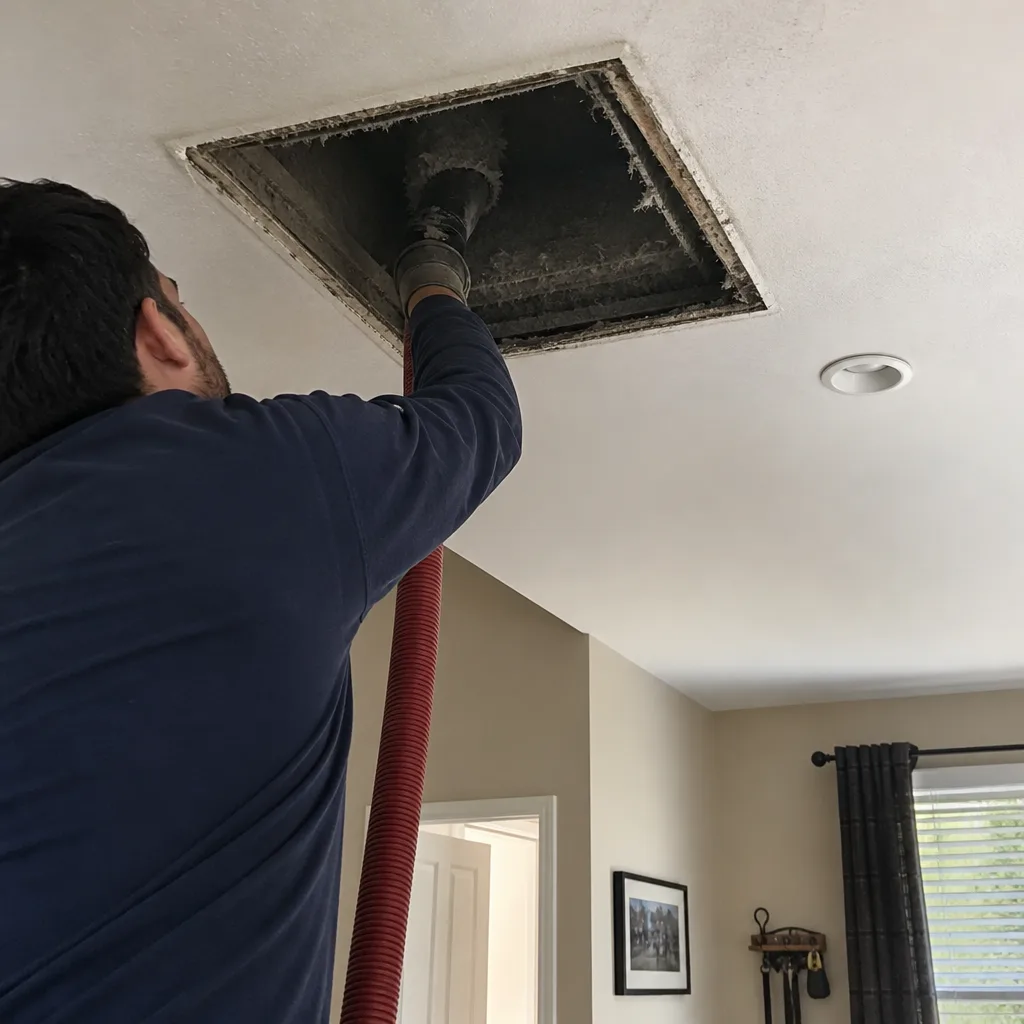 Before
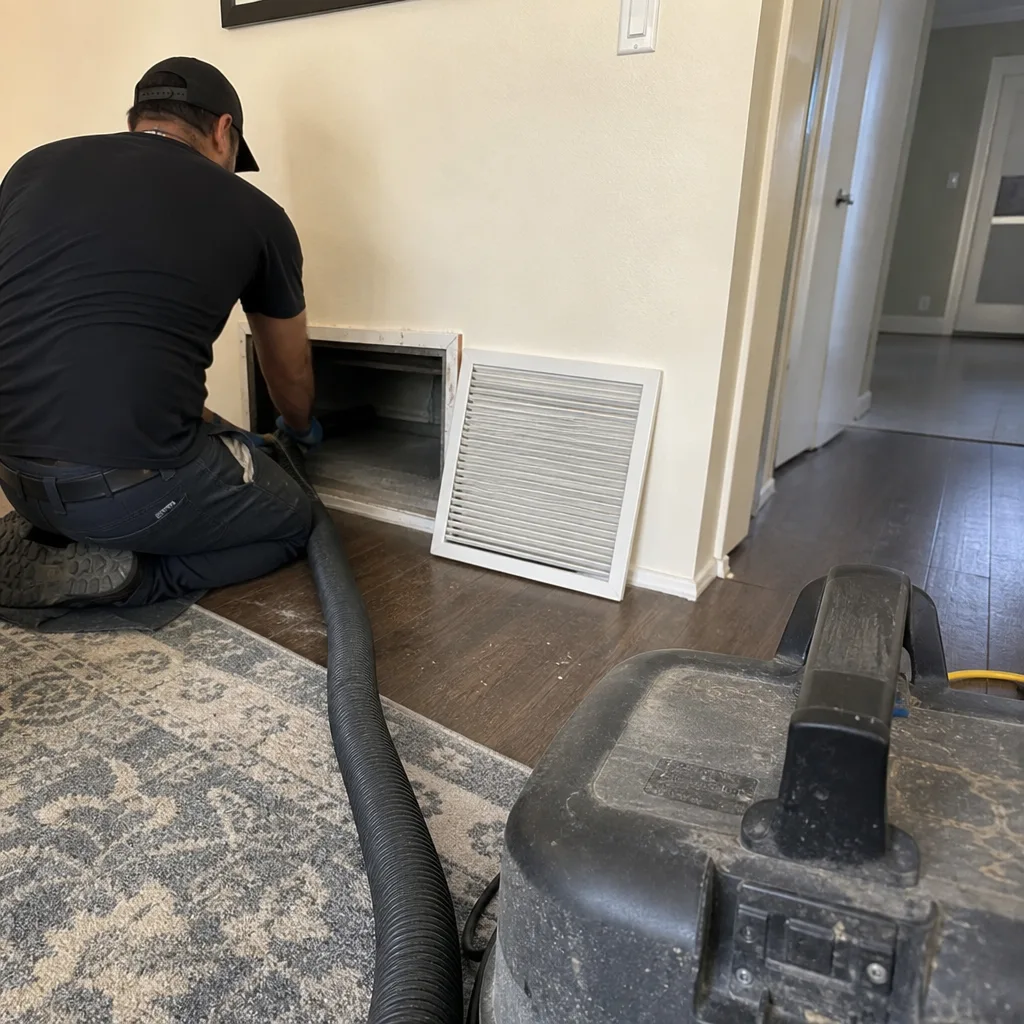 After
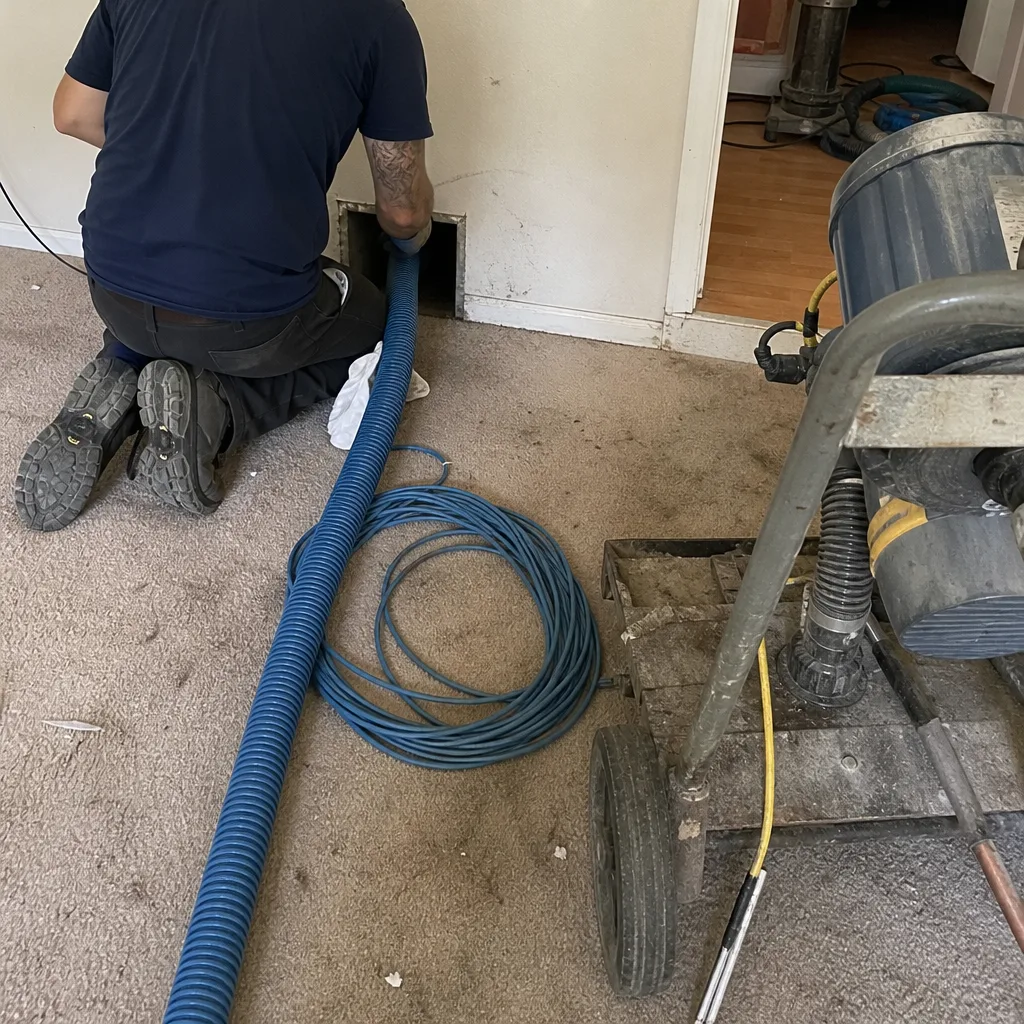 Before
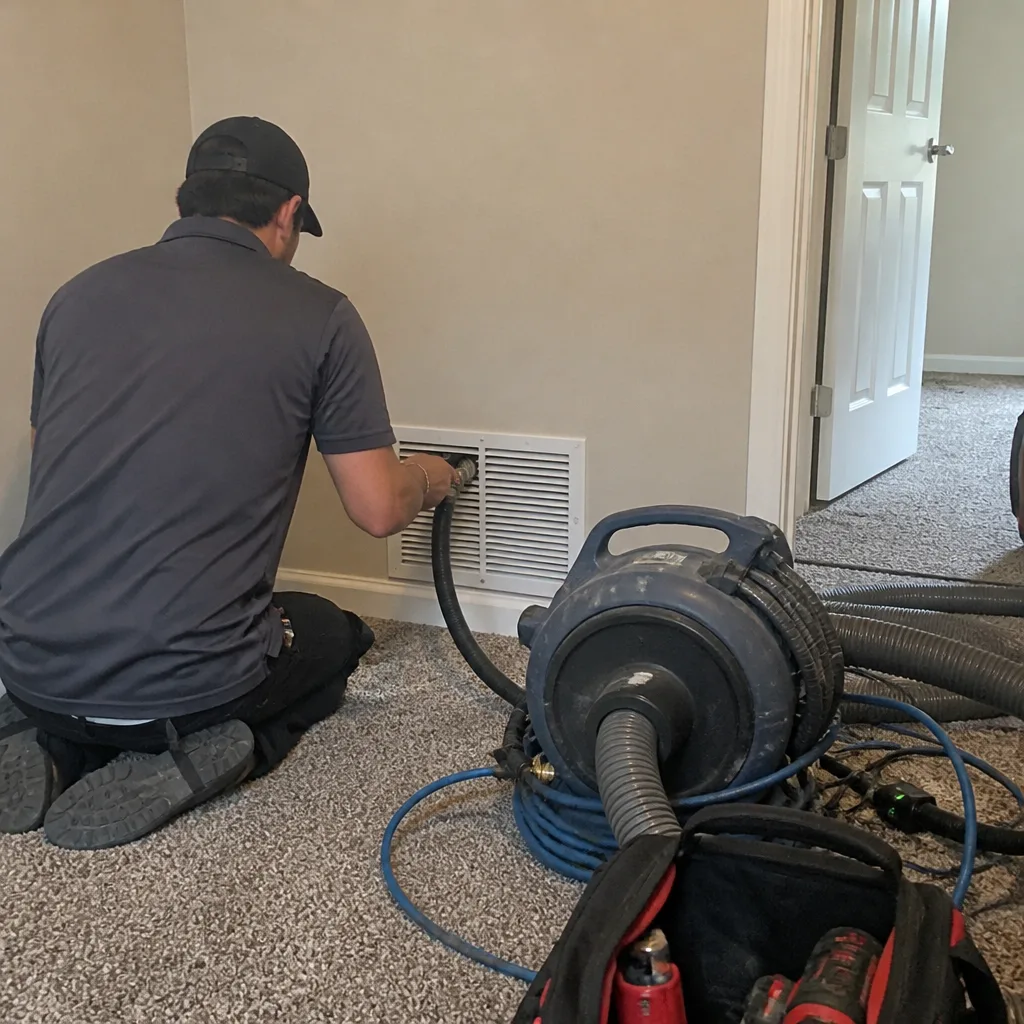 After
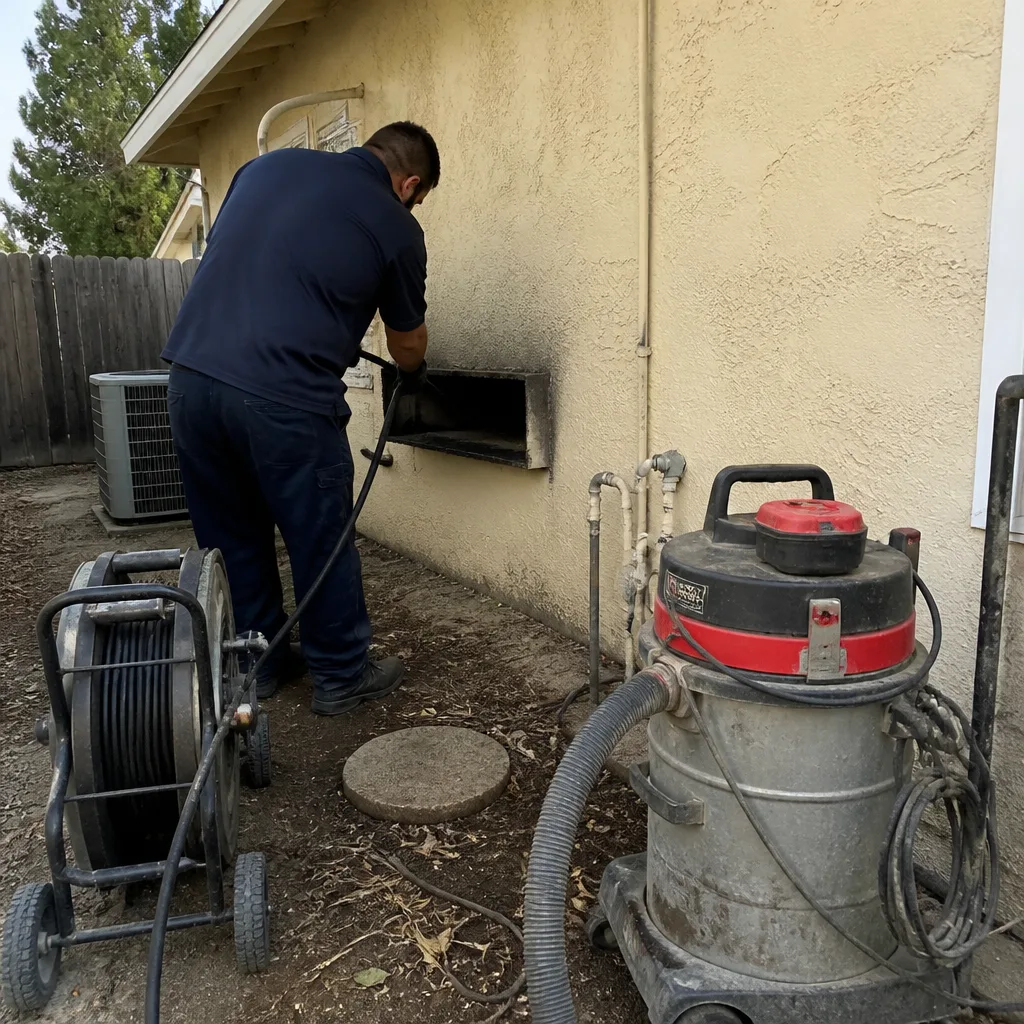 Before
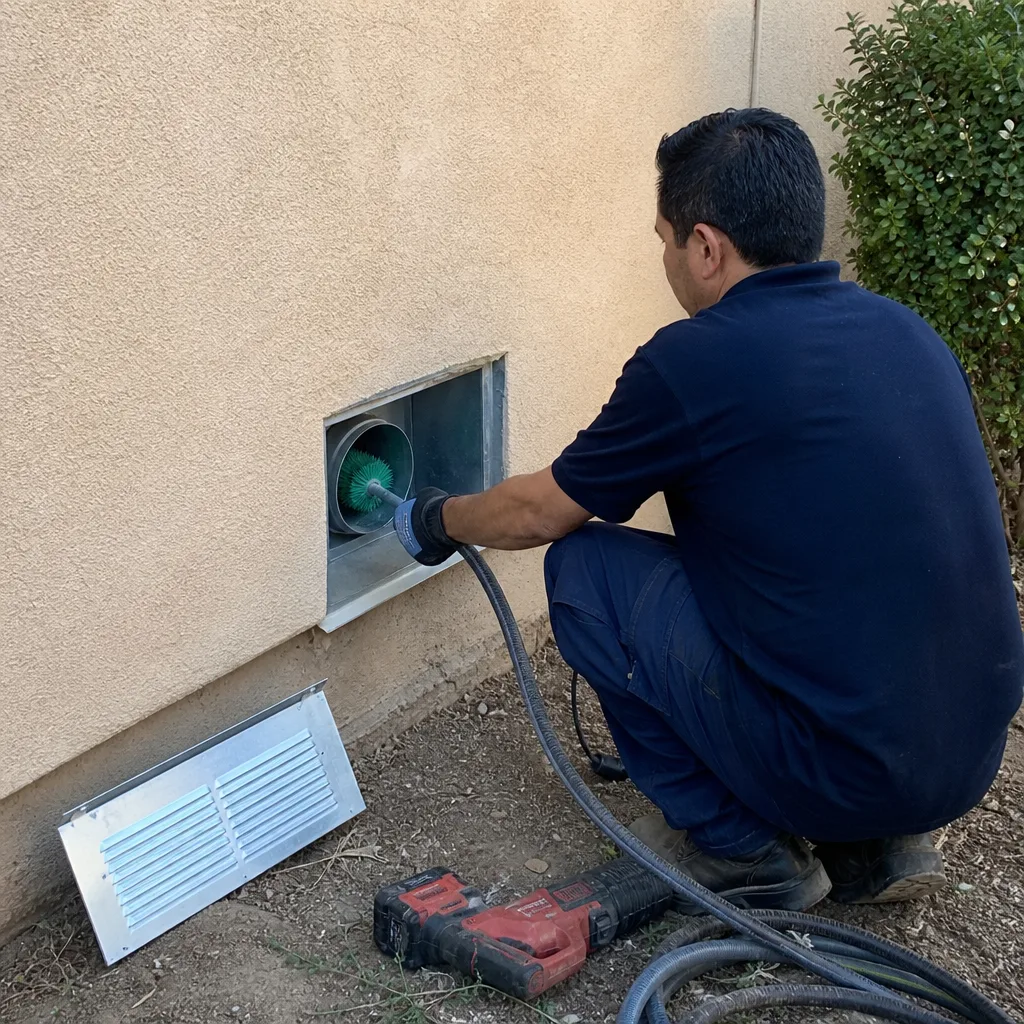 After