
Last updated November 2, 2026
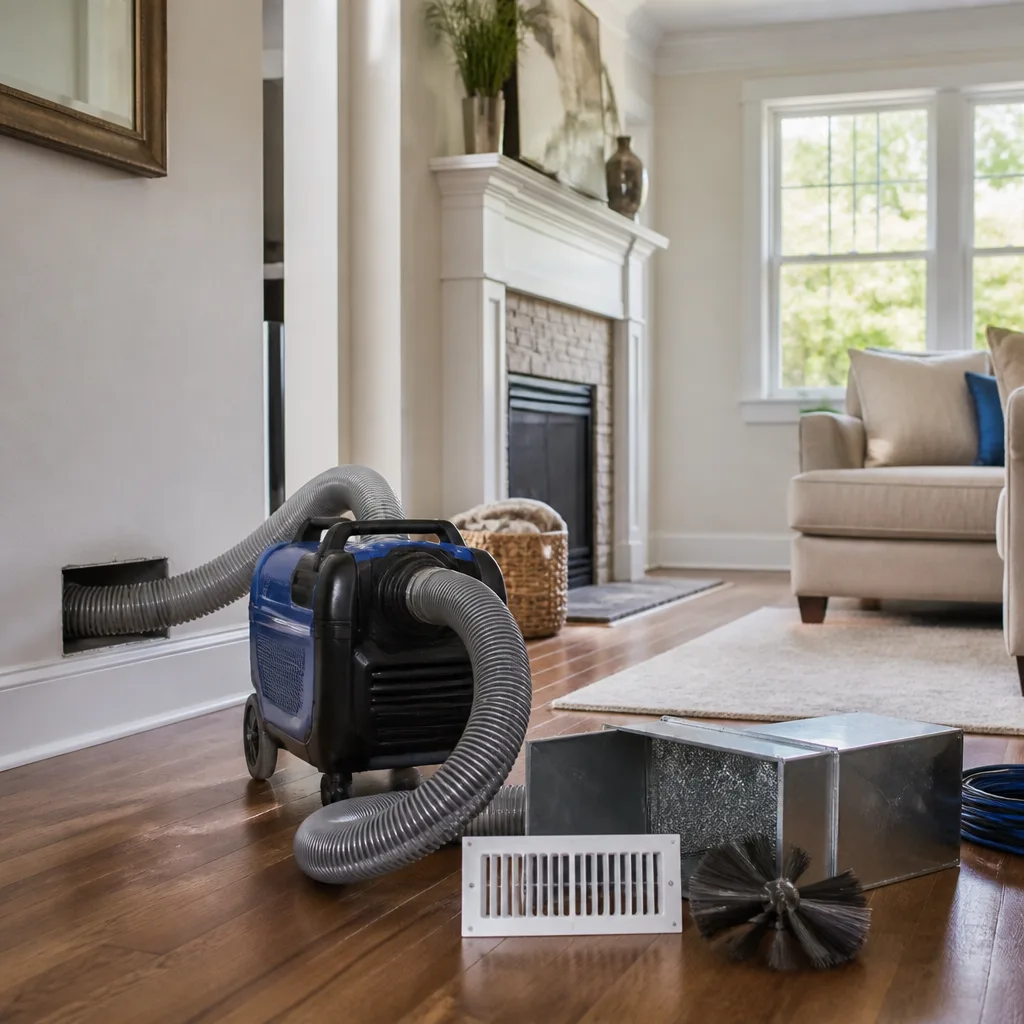 Whole-home duct cleaning
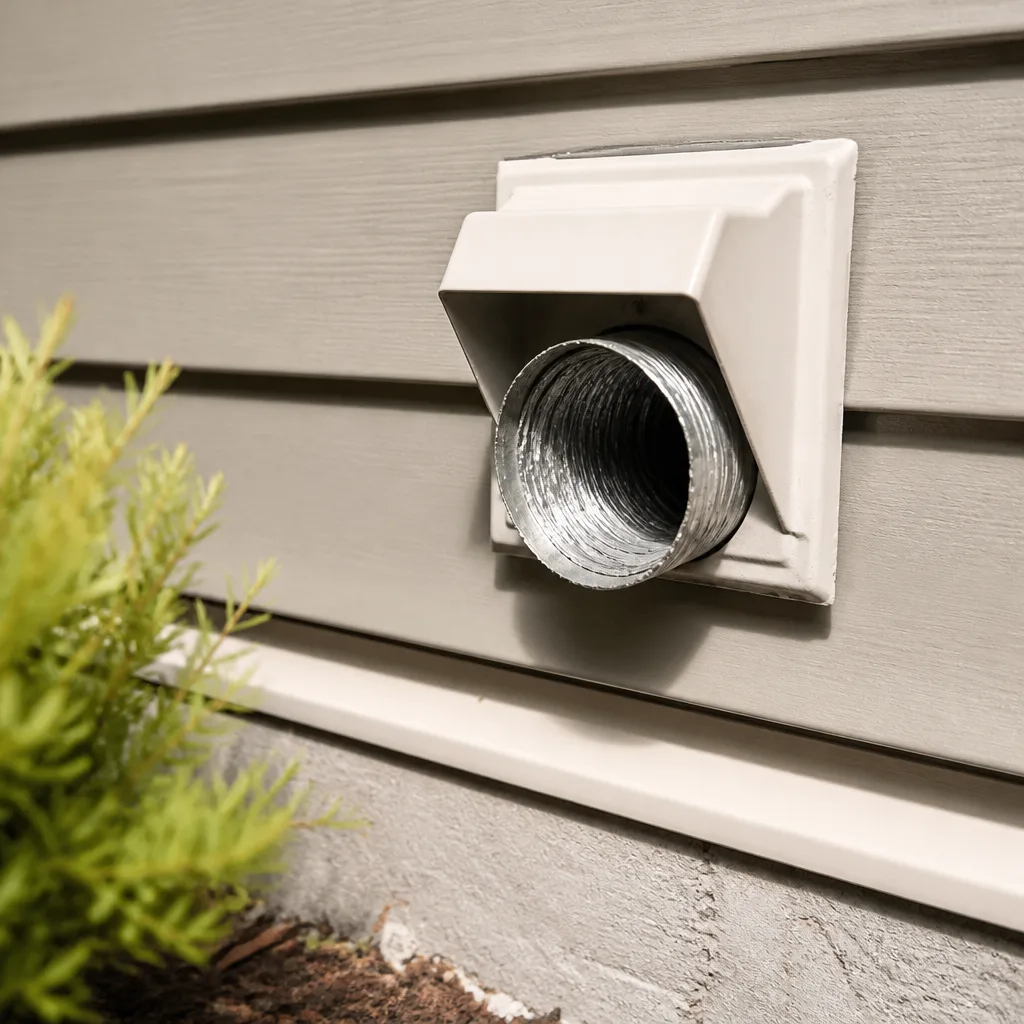 Dryer vent cleaning
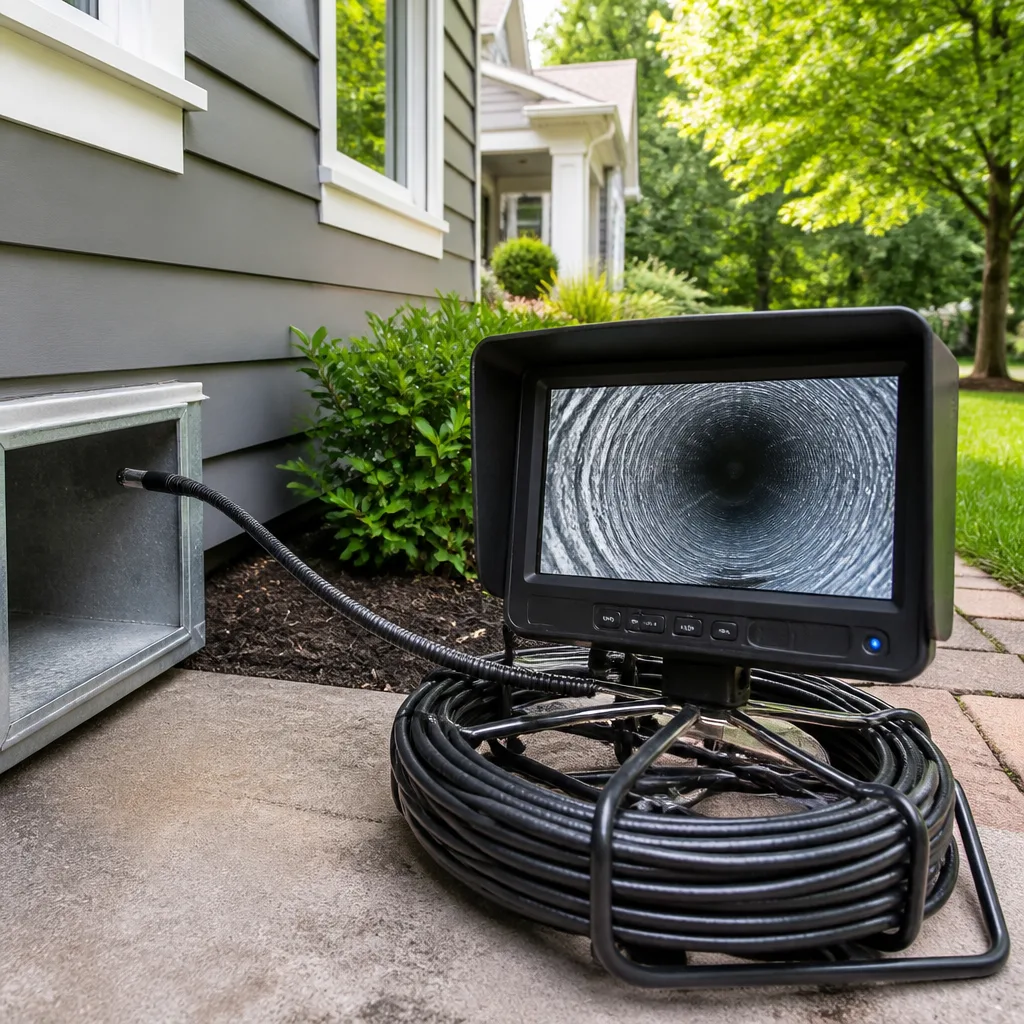 Camera inspection
 Sanitizing & deodorizing
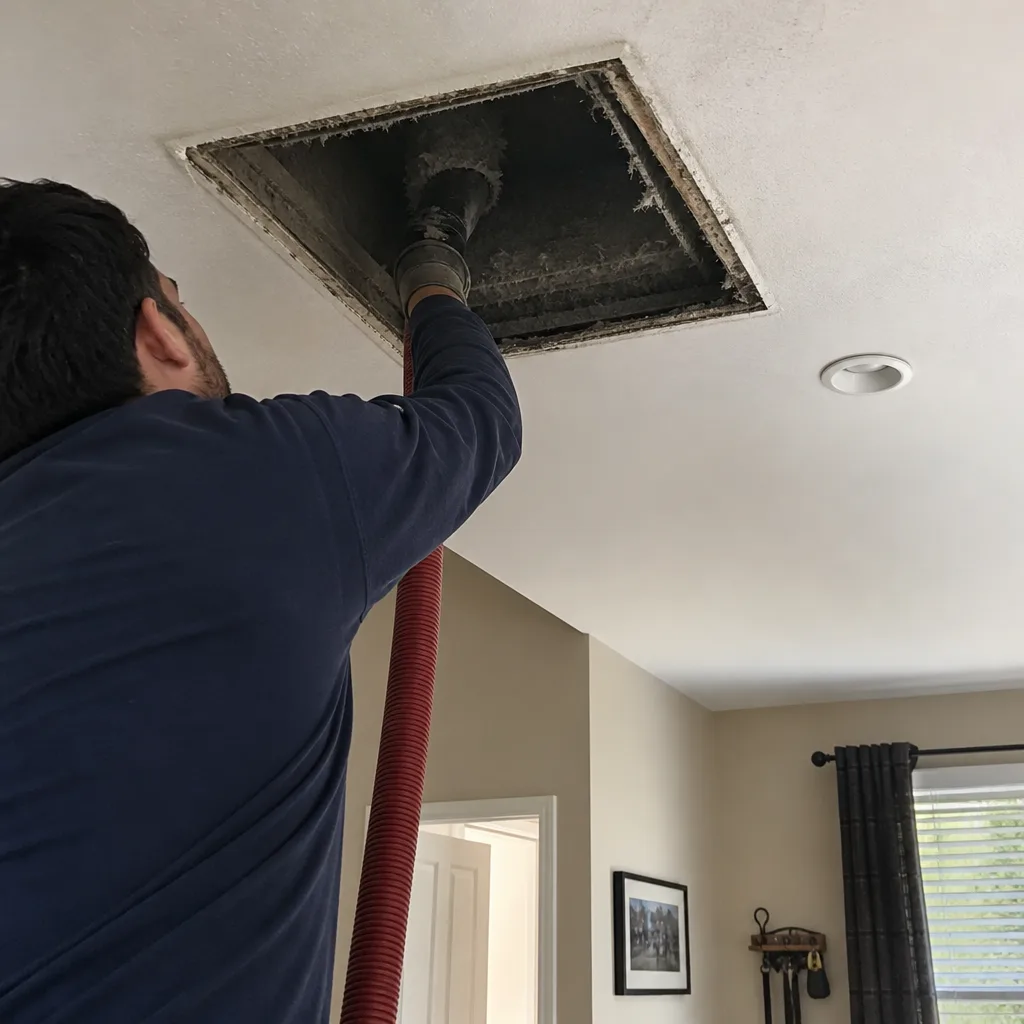
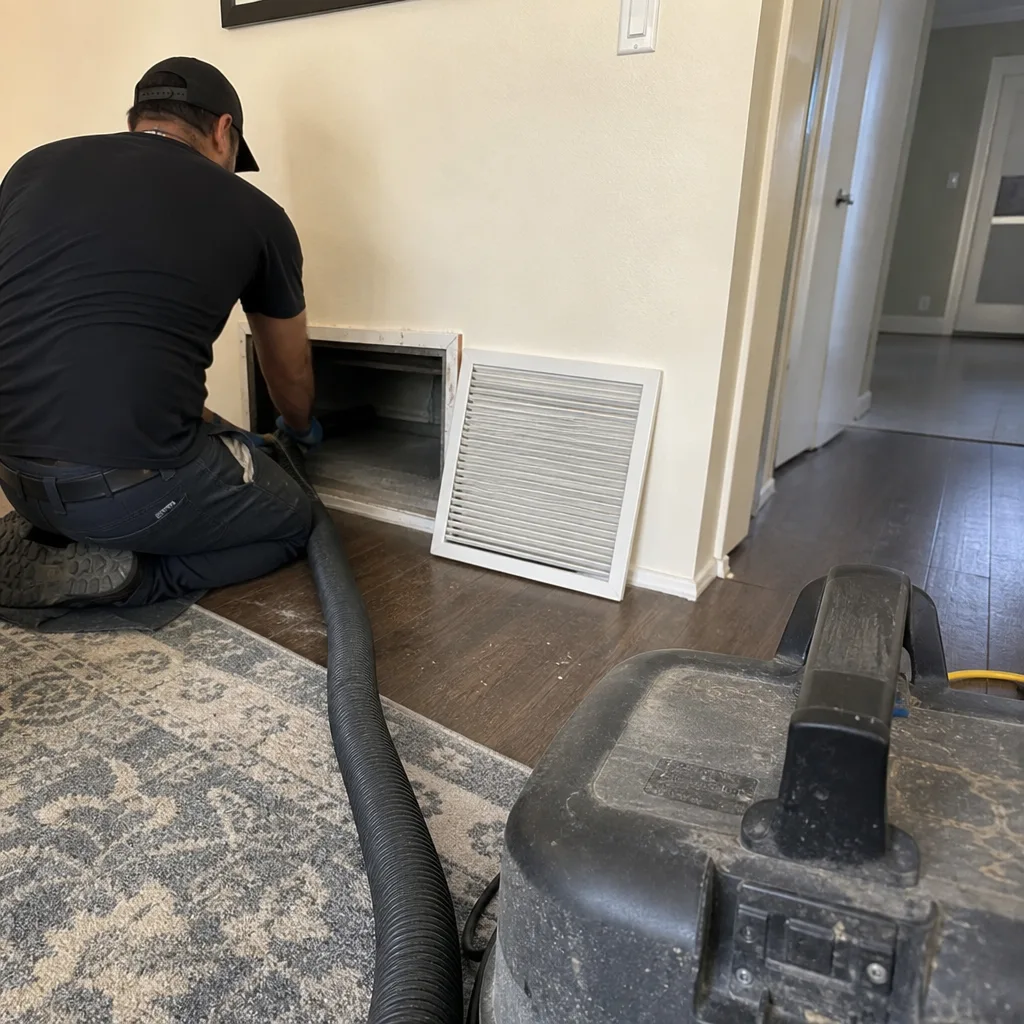
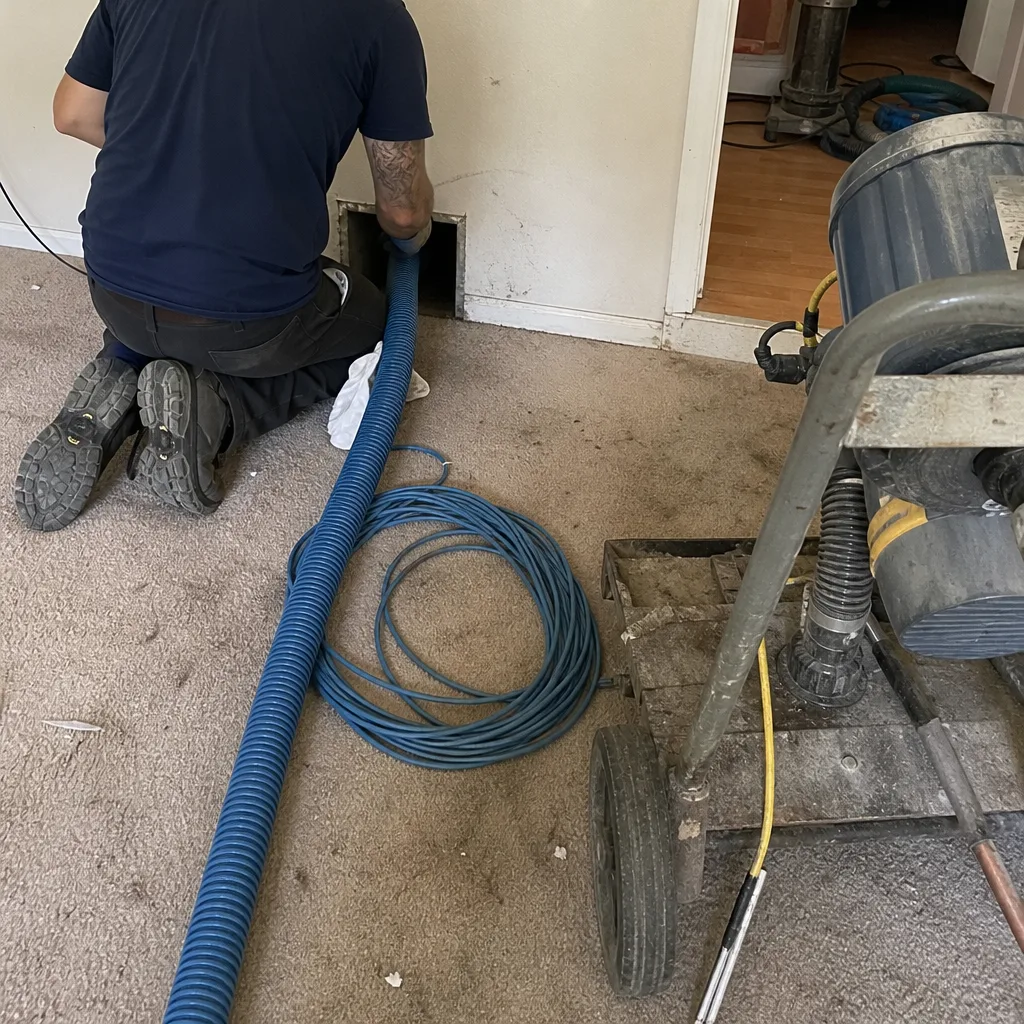
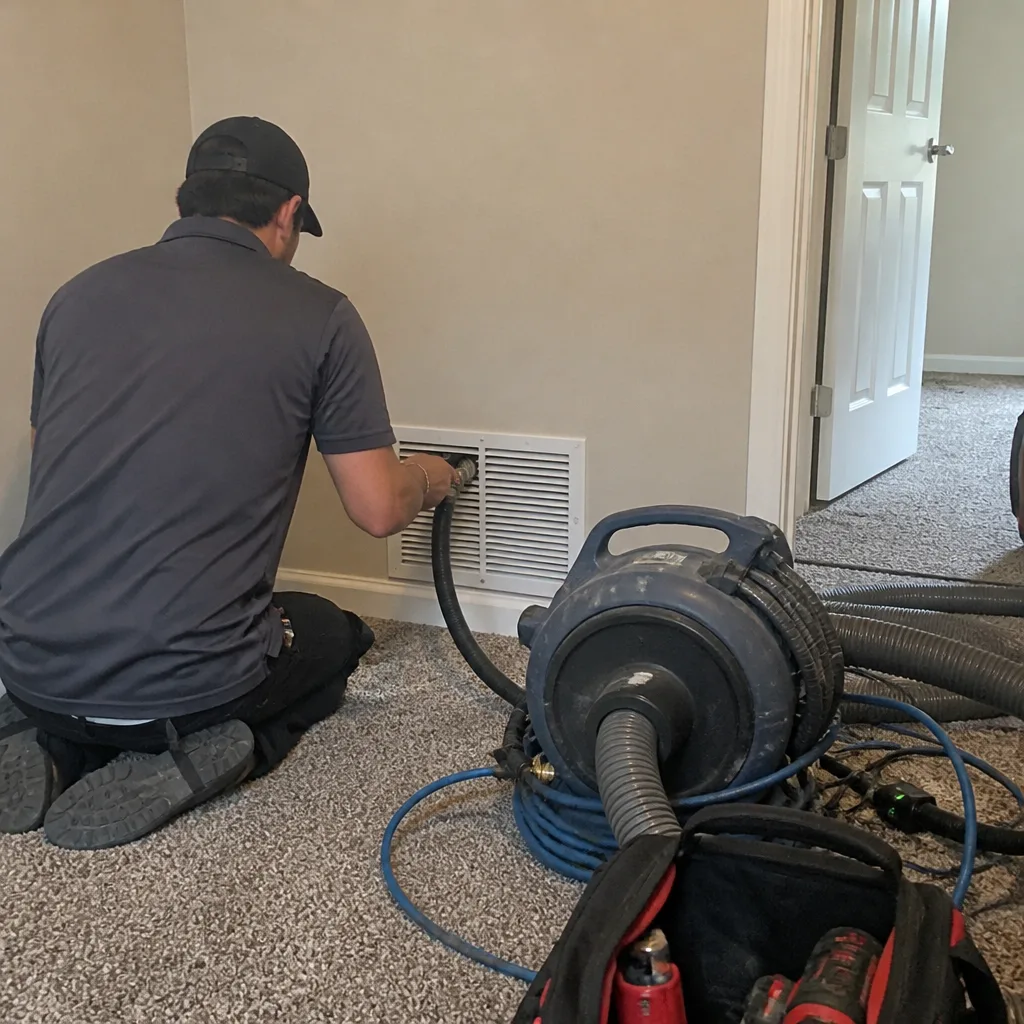
Whole-system duct and dryer vent check with before-and-after photos - you see exactly what came out of your vents
That "$99 whole-house special" is a bait ad - the real number appears once they are in your hallway, or the "clean" is a shop-vac at the register. We photograph the inside of your ducts before and after instead.
Air Duct Cleaning Warning Signs: A North Sacramento Homeowner’s Reference Guide
Sacramento summers punish weak points in a home. When one bedroom sits at 82°F while the hallway thermostat reads 74°F, the reflex is to blame the AC condenser. That’s often wrong. The real culprit frequently lives in the ductwork: a disconnected branch, a collapsed return, or years of accumulated debris choking airflow to specific rooms. North Sacramento homes face a particular combination of heat, agricultural dust, and older housing stock that makes duct performance a frontline issue, not a footnote. This guide decodes the warning signs that point specifically to your ducts, separating them from equipment failures so you can make an informed call before spending money on the wrong fix.
Quick Answer
The most reliable air duct cleaning warning signs in North Sacramento are: uneven room temperatures on the same thermostat setting, dust reappearing on surfaces within 2-3 days of cleaning, musty or earthy odors that intensify when the blower runs, allergy symptoms that improve when you leave home, and visible dust accumulation on return grilles. Any two of these occurring together warrant a professional duct inspection.
Styles & brands we work with
- Whole-home duct cleaning
- Dryer vent cleaning
- Camera inspection
- Sanitizing & deodorizing
Table of Contents
- Airflow Patterns: The Diagnostic Most Homeowners Overlook
- Odor Signatures: Musty, Dusty, or Something Else
- Dust Reappearance: The Filter Bypass Tell
- Allergy Indicators: The Home-Away Test
- Visual Inspection at Registers: A 5-Minute Contamination Estimate
- Noise Clues: What Ducts Shouldn’t Sound Like
- Renovation Aftermath: When Construction Dust Settles In
Airflow Patterns: The Diagnostic Most Homeowners Overlook
Uneven airflow is the single most misread warning sign in North Sacramento homes. When one room lags 5-10 degrees behind the rest of the house, homeowners replace capacitors, add refrigerant, or buy a window unit. In our experience, the duct system itself explains a significant portion of these cases. A branch line that has separated in the attic delivers conditioned air into the insulation rather than the bedroom. A crushed flex duct, compressed during a roof repair or pest intrusion, restricts volume to near zero. Neither problem is visible from the living room, but both produce the same symptom: one room that never cooperates.
Here’s how to distinguish a duct issue from an equipment issue without specialized tools:
- One-room isolation: If a single room or zone underperforms while others cool adequately, suspect a duct obstruction or disconnection specific to that branch. An undersized AC fails the whole house, not one bedroom.
- Symptom consistency: Duct restrictions are constant. If the room always runs warm in summer and cold in winter, it’s a volume problem, not a refrigerant cycle issue.
- Filter condition after inspection: If your return filter loads up with debris unusually fast, restricted airflow may be pulling harder on the return side, drawing attic or crawlspace air through small gaps.
- Closed-door behavior: Rooms with doors closed all day often starve for return air. If opening the door resolves the temperature gap, you may have a return path deficiency rather than a supply-side blockage.
North Sacramento’s housing stock adds another layer. Many homes in neighborhoods like Old North Sacramento and Del Paso Heights were built before central air became standard, meaning duct retrofits were added later, often with tight bends, improvised connections, or materials that degrade in attic heat. A duct system that was marginal at installation becomes a genuine airflow liability twenty years on. Homes along the Del Paso corridor with mature trees face an additional factor: root intrusion and rodent activity in crawlspaces that can damage duct runs from below.
When airflow symptoms match this pattern, air duct repair in South Natomas addresses what cleaning alone cannot. A disconnected or collapsed duct will not improve with cleaning; it needs a physical fix. That’s precisely why we built repair capability into a company that started as a cleaning firm. Most duct cleaning companies will clean around a structural problem and leave you with the same airflow complaint. We’d rather tell you what’s actually wrong, even if that answer is “this needs a repair, not a cleaning.”
Odor Signatures: Musty, Dusty, or Something Else
Odor is the most emotionally persuasive warning sign, but also the most easily misdiagnosed. A musty smell from the vents does not automatically mean mold in your ducts. Here are the distinct odor signatures we identify in North Sacramento homes and what each actually indicates.
The Dusty Burn Off: When your furnace first cycles in November after six months of stillness, dust that has settled on the heat exchanger burns off, producing a brief dusty or acrid smell. This is normal and dissipates within an hour. If the odor persists for days, you’re not smelling burn off; you’re smelling accumulated debris in the supply ducts being heated and recirculated every cycle.
The Earthy or Musty Smell: This odor intensifies when the blower runs. In Sacramento’s climate, the distinction matters. The Sacramento Valley’s agricultural activity, particularly during harvest months, introduces airborne organic particles into homes through open windows, pet traffic, and outdoor air intakes. These particles accumulate in ducts and create an earthy smell when recirculated. That’s agricultural particulate, not active mold. However, if the smell is persistent across seasons and accompanied by visible moisture staining around registers, mold is a genuine possibility, and we recommend an inspection using a moisture meter before any cleaning.
The Rodent Signal: A sharp, ammonia-like odor concentrated near a specific register often indicates pest intrusion into the ductwork. North Sacramento neighborhoods with mature trees and older foundations see this more frequently in winter. This requires more than cleaning; you need the intrusion point identified and sealed. Our approach is to clean the affected runs with containment protocols using Abatement Technologies equipment, which prevents spreading contaminated particulate through the home during remediation.
The Stale Return Air: Homes with tight duct systems still develop a stale smell from insufficient fresh air exchange. This odor is steady, not tied to blower operation, and concentrated near the return grille. The fix may be as simple as ensuring your return registers aren’t blocked by furniture or, more substantively, evaluating whether your filtration media is doing real work. We work with Honeywell and Aprilaire filtration systems to match the right media to your home’s particulate load.
Odor is a signal, not a diagnosis. The specific character of the smell, when it appears, and what makes it worse tell you more than a scratch-and-sniff guess. If you’re uncertain, gather the pattern: which rooms, what time of day, what weather, blower on or off. That pattern is worth more to a technician than a vague “it smells musty.”
Dust Reappearance: The Filter Bypass Tell
You wipe the bedroom dresser on Sunday. By Thursday, you can write your name in it. The filter is new. The house is closed up because it’s 95°F outside. Where is the dust coming from? This is the single most common complaint we hear from North Sacramento homeowners, and it points to a specific mechanism: filter bypass.
Your HVAC filter only captures what passes through it. In a properly sealed duct system, all return air passes through the filter media before entering the equipment. In a leaky system, a meaningful percentage of return air bypasses the filter entirely, pulled through gaps in the return plenum, unsealed duct joints, or even the cabinet seams on the equipment itself. That bypassed air carries attic insulation fibers, drywall dust, and whatever lives in your crawlspace directly into the supply stream. You have a new filter doing its job for the air that reaches it, while unfiltered air streams through the gaps.
Here’s how to distinguish filter bypass from simple dust accumulation:
- Dust color and texture: Attic-drawn dust tends to be gray and fibrous, with insulation flecks visible. Crawlspace dust is darker, sometimes gritty. Household dust from skin cells and fabric fibers is lighter and finer.
- Pattern on surfaces: Bypass dust deposits most heavily in rooms closest to the air handler, particularly surfaces in the direct supply path. If the room above the garage or the hallway near the return shows the fastest accumulation, suspect bypass.
- Rate despite filter: If you run a MERV 8 or better filter and surfaces still accumulate visible dust within days, the volume of bypass is substantial. A high-efficiency filter cannot compensate for air that never reaches it.
- The blower test: Turn the system fan to “On” for one hour with windows closed. If dust accumulation noticeably accelerates compared to fan-off periods, the circulation itself is distributing particles, which points to duct contamination or bypass, not ambient settling.
This is where duct cleaning genuinely helps. Removing accumulated debris from the return side reduces the immediate reservoir of particulate. But if bypass gaps remain, the problem returns because the mechanism was never corrected. At Stonebridge Air Duct Cleaning home, our cleaning process includes a close visual inspection of accessible duct sections precisely because cleaning without checking for bypass is half a job. On homes where duct access is limited, the dust pattern data you gather before we arrive becomes genuinely valuable diagnostic information.
Allergy Indicators: The Home-Away Test
Allergy symptoms are the warning sign most often dismissed as environmental noise. Sacramento’s pollen seasons are real, and ragweed, grass, and tree pollen all have well-documented seasonal peaks. But there’s a clinical pattern that separates ambient outdoor allergies from indoor particulate exposure: symptoms that improve shortly after leaving home, and worsen shortly after returning.
Human physiology responds to allergen exposure with a delay. If your symptoms spike 30-90 minutes after you get home and improve within a few hours of leaving for work, your indoor environment is contributing. This doesn’t mean your ducts are the sole source. It means the particulate load in your conditioned air is significant enough that your body notices the difference.
The mechanism works like this: Your duct system accumulates a coating of dust, pollen, pet dander, and skin-cell debris over years. Every time the blower cycles, it aerosolizes a portion of that accumulation and distributes it through every room. You’re not allergic to your ducts; you’re breathing a concentrated cocktail of every allergen that has entered your home over the past decade, continuously redistributed. Homes with pets see faster accumulation because dander is sticky and traps other particulate against duct walls.
Homes near the American River Parkway and along the Natomas basin face a particular double load: outdoor pollen blown through open windows during Sacramento’s moderate evenings, plus indoor accumulation that never fully evacuates. If you close up the house in late spring to run AC, you’re sealing those particles in and cycling them repeatedly.
The responsible recommendation is not “get your ducts cleaned and your allergies vanish.” The honest framing is this: Duct cleaning removes a measurable portion of accumulated particulate, and for many of our North Sacramento customers, that reduction correlates with improved symptom patterns. But if allergen exposure remains high after cleaning, the next variable to examine is filtration. Homes with serious sensitivity benefit from upgrading media to a Honeywell or Aprilaire filter cabinet that captures smaller particles than standard 1-inch filters. We can discuss that path honestly because our technicians work with those systems routinely. If we clean your ducts and your symptoms don’t improve, we’d rather tell you to look at filtration than sell you a second cleaning.
For a related deep dive on how cleaning protocols differ by neighborhood and housing type, see Air Duct Cleaning in South Natomas, where we walk through the specific challenges of newer tract construction versus older retrofits.
Visual Inspection at Registers: A 5-Minute Contamination Estimate
You can gather meaningful data about your duct condition before ever making a phone call. This inspection takes five minutes, requires a flashlight and a smartphone camera, and gives you an evidence-based estimate of contamination level rather than a vague feeling.
Step 1: Remove a supply register in the room you suspect most. Use a screwdriver on the two visible screws. If the register is painted in place, score the paint line with a utility knife first. Lift the register and set it aside.
Step 2: Look at the register itself. The visible side gets wiped during house cleaning; the backside tells the truth. If the rear face shows a gray felt-like accumulation, debris is actively passing through the supply side. This is not normal and not just dust settling. It’s your duct air carrying particulate.
Step 3: Photograph the duct opening. Point your camera flash into the duct boot, angled along the run. Ducts often look cleaner than they are because the visible surface is the top of the run. What you want is the bottom, where debris settles. The reflection from the flash will reveal accumulation depth on curved surfaces.
Step 4: Check the return grille. In most North Sacramento homes, the return grille is a large louvered panel in a hallway or stairwell. Look at the louvers themselves. Accumulation here is normal because return air is unfiltered until it reaches the filter at the unit. But heavy fibrous buildup, visible clumps, or debris that feels damp indicates the return side has been drawing in more than household dust.
Step 5: Run the fan and place a tissue over the return grille. The tissue should be held firmly against the grille. If it flutters weakly or falls away, return air is being drawn from somewhere else, confirming bypass. If it slaps hard against the grille, your return is functioning but also pulling hard on whatever gaps exist.
What you’re establishing with this inspection is scale and location. Light accumulation on the supply register faces but clean boots suggests recent contamination, not long-term buildup. Heavy accumulation on both supply and return sides, visible debris in the boot, and a weak return draw together present a clear case for professional cleaning. And when you call, you’ll be able to describe what you saw with specificity, which helps us scope the job accurately before we arrive.
Noise Clues: What Ducts Shouldn’t Sound Like
Ductwork makes three legitimate sounds: the rush of air through registers, the low thrum of the blower, and occasional metallic popping as sheet metal expands and contracts with temperature changes. Everything else is diagnostic data.
Whistling at the register: A steady, high-pitched whistle at a specific register usually indicates restricted airflow at that outlet. The duct itself may be undersized, crushed, or obstructed, forcing air through a smaller effective opening at higher velocity. If adjusting the register damper doesn’t change the pitch, the restriction is upstream.
Rattling that tracks with the blower cycle: This classic symptom suggests loose debris inside the duct run. In North Sacramento’s older homes, decades of accumulated debris can include construction leftovers: drywall screws, wire clippings, pieces of old insulation, even children’s toys that found their way through a register. The blower’s vibration animates this debris against the duct walls. A rattle that appears only at certain fan speeds is almost certainly mobile debris.
Roaring or thrumming in walls: When duct liner detaches from the interior wall of a metal duct, it flaps in the airstream, producing a low-frequency flutter or roar. This is not cleanable; it’s a replacement issue. The same symptom can come from a flex duct that has collapsed internally, leaving the wire coil exposed and vibrating.
Sudden hissing or the sound of air where air shouldn’t be: If you can hear airflow inside a wall cavity or from a ceiling area where no register exists, a duct connection has separated inside that cavity. Air is being dumped into the building envelope instead of the room. This is a repair issue, and it’s urgent because you’re paying to condition a stud bay.
Noise symptoms are underrated because they require attention. Most of us tune out HVAC sounds as background. But if you sit in a quiet house and actively listen during a blower cycle, you’ll catch rattles, whistles, and thumps that have been there for months. That information is worth more than a technician’s best guess, because the sound is coming from inside your specific duct system, not from a training manual. For Air Duct Repair in South Natomas and surrounding areas, noise complaints are among the most productive leads we get, because sound usually points to a specific location.
Renovation Aftermath: When Construction Dust Settles In
Renovations are a documented trigger for duct contamination. Drywall sanding produces fine particle dust that stays airborne for hours and travels through the entire building envelope. Floor sanding, tile cutting, and demolition all add to the load. If your HVAC system ran during any phase of the renovation, that dust entered the return side and settled throughout the duct system. If the system was off but registers weren’t sealed, gravity and air pressure changes did the work anyway.
North Sacramento’s renovation patterns compound this. Homes in neighborhoods like Ben Ali and Hagginwood are seeing significant remodel activity as older stock turns over to new owners. These projects often involve opening walls and ceilings adjacent to duct runs. The resulting debris in the system isn’t hypothetical; it’s settled gypsum dust coating every internal surface.
Post-renovation duct cleaning is not a cosmetic preference. Gypsum dust is abrasive to blower motors, coats evaporator coils (reducing heat exchange efficiency), and continues re-entering the living space for months. The EPA’s guidance on duct cleaning specifically notes that duct cleaning should be considered after renovations that generate substantial dust. This is not an upsell; it’s the conclusion of a well-documented exposure pathway.
The practical question is timing. Clean too early, while finishing work is still producing dust, and you’ll be cleaning twice. Clean too late, and the dust has had months to redistribute. The sweet spot is after all drywall, sanding, and floor work is complete, and before you move furniture back in or do your final deep clean. This sequencing means the duct cleaning is the last major cleaning event, and everything after it stays clean.
Common Mistakes to Avoid
- Blaming the AC for airflow problems without checking ducts. North Sacramento homeowners spend thousands on compressor replacements for what is sometimes a disconnected duct branch. Before any major equipment decision, verify airflow at each register.
- Choosing a duct cleaner on price. The difference between a quality cleaning and a quick vacuum pass is substantial. Companies that quote per-vent pricing create the incentive to rush. Stonebridge quotes one flat price per system before we start, so there’s no pressure to cut corners or inflate the job.
- Cleaning ducts without identifying the bypass mechanism. If gaps in the return side remain, the system will re-contaminate within a year. A responsible cleaning includes an assessment of system integrity.
- Ignoring the dryer vent. The dryer vent is part of your duct system even though it’s not connected to your HVAC. A clogged dryer vent is a documented fire risk and doubles your drying time. We offer Dryer Vent Cleaning in South Natomas as a standalone service because it deserves the same rigor as the rest of the ductwork.
- Using cheap fiberglass filters and calling it good. The cheapest filters protect equipment, not your air. They do almost nothing for the fine particulate that drives allergy symptoms. The filter is a system component; upgrading it through a company that works with Honeywell and Aprilaire means matching media to your actual particulate load.
- Waiting for a dramatic sign. The warning signs in this guide are subtle precisely because ducts don’t fail suddenly. They degrade gradually. By the time you smell something unmistakable, you’ve been breathing contaminated air for months or years. The time to act is when the patterns first appear.
See the difference
 Before
 After
 Before
 After
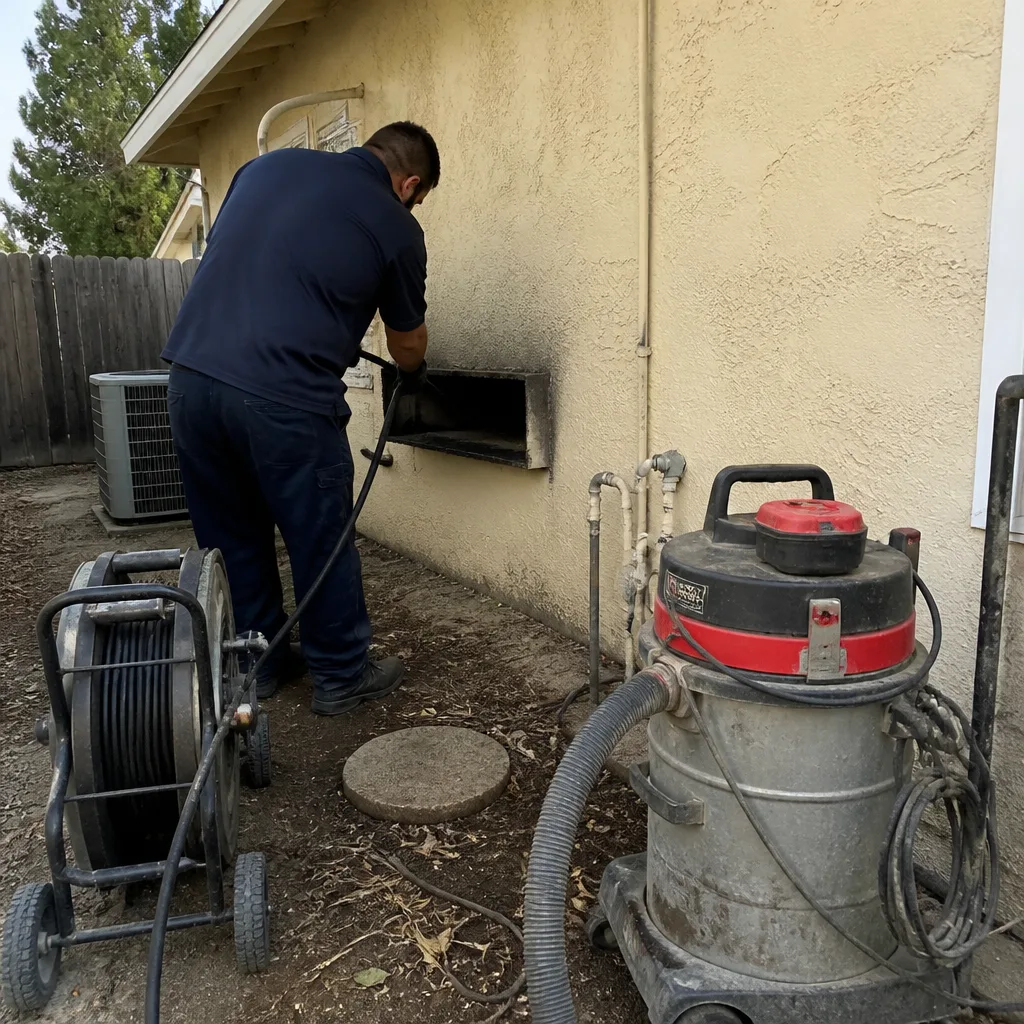 Before
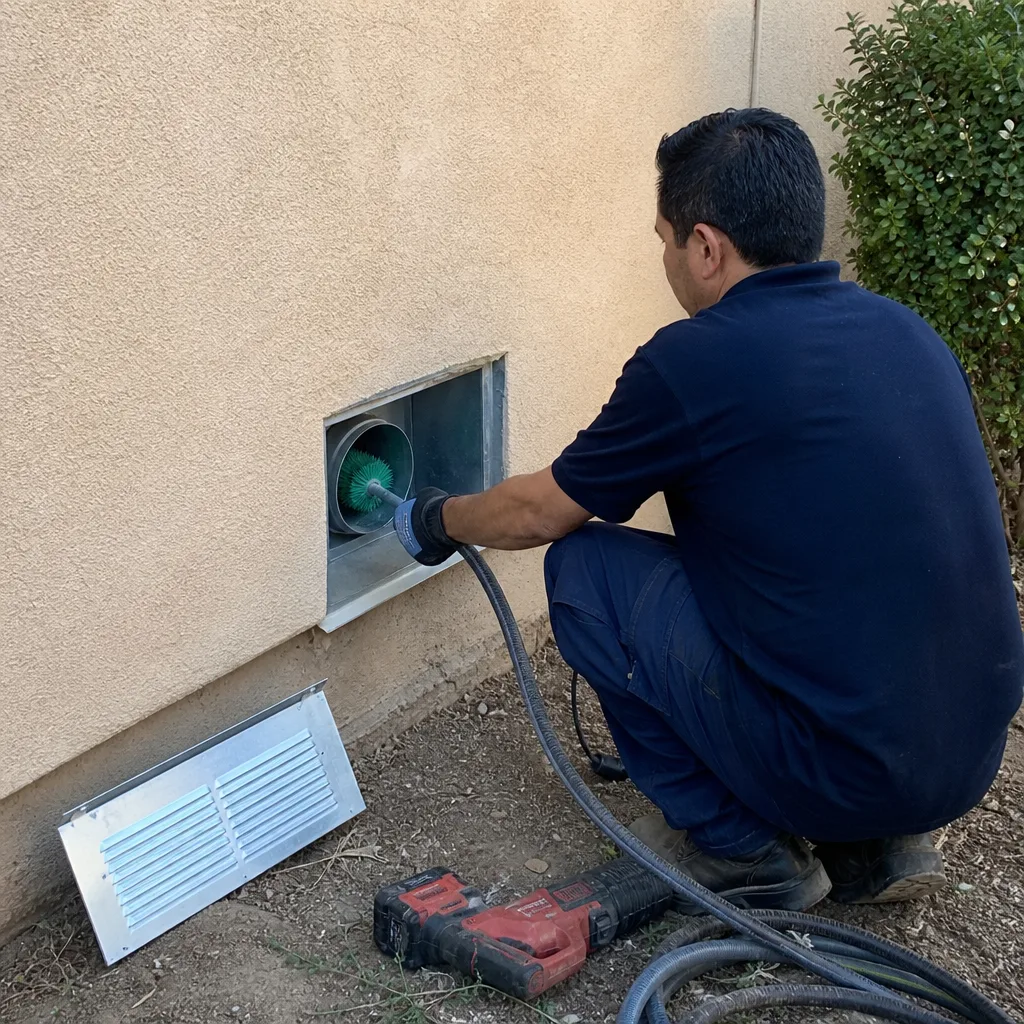 After
When to Call a Professional
Call a duct specialist when you’ve observed at least two of the warning signs in this guide: persistent uneven room temperatures, dust reappearing within days, odors that track with blower operation, allergy symptom patterns tied to time at home, visible register contamination, or abnormal noises from the ductwork. These signs in combination indicate a system-level issue that a visual inspection at the register cannot fully diagnose. Air Duct Cleaning in South Natomas approaches every inspection with the assumption that we’re looking at a diagnostic problem, not just a cleaning opportunity. Stonebridge Air Duct Cleaning offers free estimates in North Sacramento and surrounding areas. Call (833) 467-4303 to schedule an inspection.
Frequently Asked Questions
Air duct cleaning in North Sacramento typically ranges from $350 to $750 for a standard single-system home, depending on the number of vents, system accessibility, and contamination level. Stonebridge quotes one flat price per system before work begins, so there’s no per-vent escalation or surprise surcharge. For an exact quote, call (833) 467-4303.
Some companies quote a low per-vent price and then count vents in ways that inflate the final invoice, while others perform a quick vacuum pass that doesn’t agitate debris from duct walls or address returns, boots, and the main trunk. Professional-grade equipment like Rotobrush and Nikro systems, which use powered agitation and HEPA-filtered collection, costs more to operate but delivers a fundamentally different result. A cheap cleaning that leaves debris in the system is not savings.
A professional cleaning company should show you before-and-after photos of your own registers, boots, and accessible duct sections. Stonebridge documents every job this way because the interior of a duct is not something you can inspect from your couch. If a company won’t show you photos, ask for them. The proof should come from your system, not from a marketing brochure.
The standard recommendation is every 3-5 years for homes without pets or renovation activity, and every 2-3 years for homes with pets, allergy-sensitive occupants, or post-renovation dust exposure. North Sacramento’s agricultural particulate load and older housing stock push many homes toward the shorter interval. The honest answer is that your register inspection will tell you more than a calendar.
Yes. A duct branch that’s significantly obstructed by debris delivers less conditioned air to its room, creating a persistent temperature gap that no thermostat setting will fix. The same symptom can come from a disconnected or crushed duct, which is why a diagnostic inspection matters before cleaning. In North Sacramento’s summer heat, that gap can exceed 10 degrees.
A new filter only affects air that passes through it. If your ducts contain accumulated debris, every blower cycle still picks up and redistributes particles from inside the duct system regardless of filter condition. The filter protects the equipment and removes some incoming particulate, but it cannot clean existing duct contamination. If your dust and odor symptoms persist after a filter change, the ducts themselves are the next variable to examine.
The Bottom Line
Air duct problems announce themselves through patterns, not alarms. Uneven room temperatures, dust that returns within days, odors that track the blower, allergy symptoms tied to home presence, register accumulation, and abnormal duct noises are each meaningful data points. Two or more together make a clear case for inspection. North Sacramento’s climate, agricultural setting, and housing age make duct awareness a practical necessity, not a homeowner obsession. The warning signs in this guide are observable in under ten minutes, and what you find determines whether your next call is to an HVAC contractor for equipment work or to a duct specialist for a look inside the system. When the evidence points toward ducts, we’re here to take that call.
Written by the team at Stonebridge Air Duct Cleaning, serving North Sacramento since 2014.