
Last updated November 2, 2026
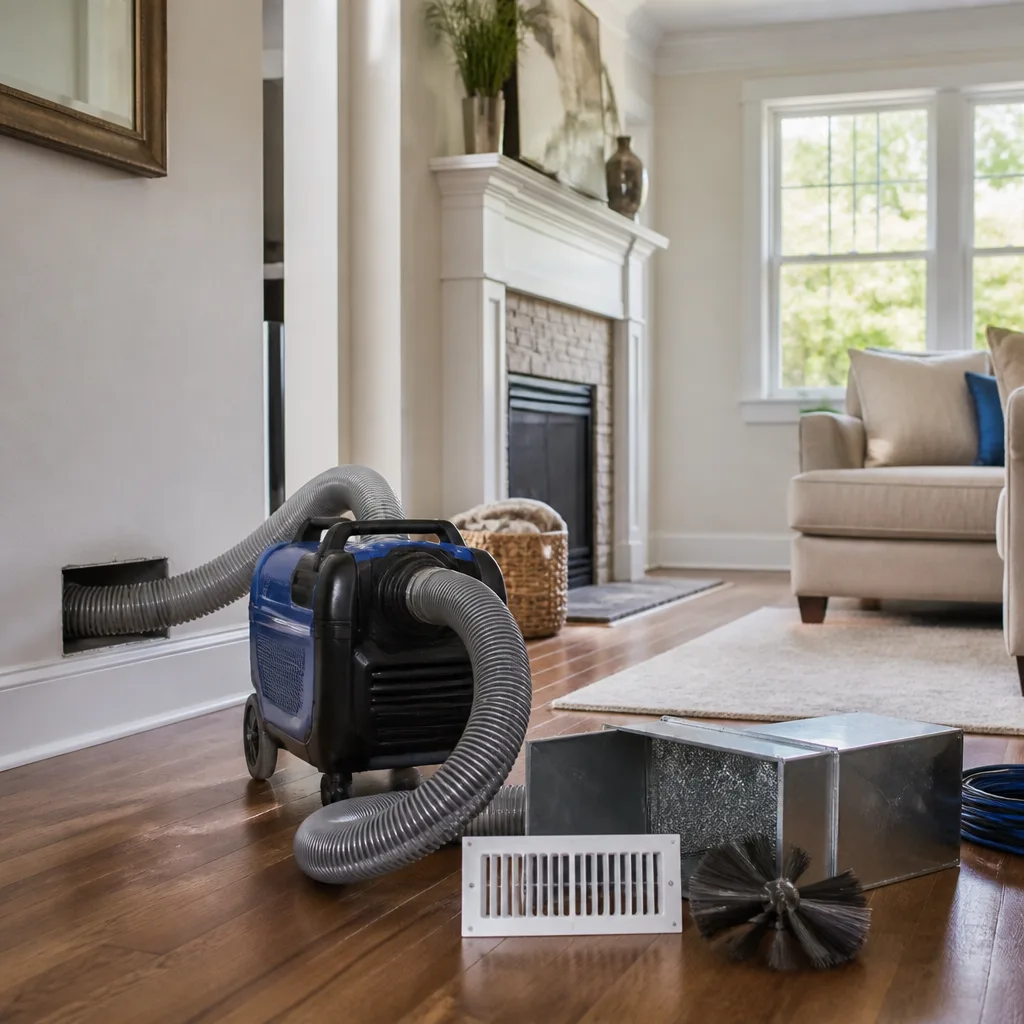 Whole-home duct cleaning
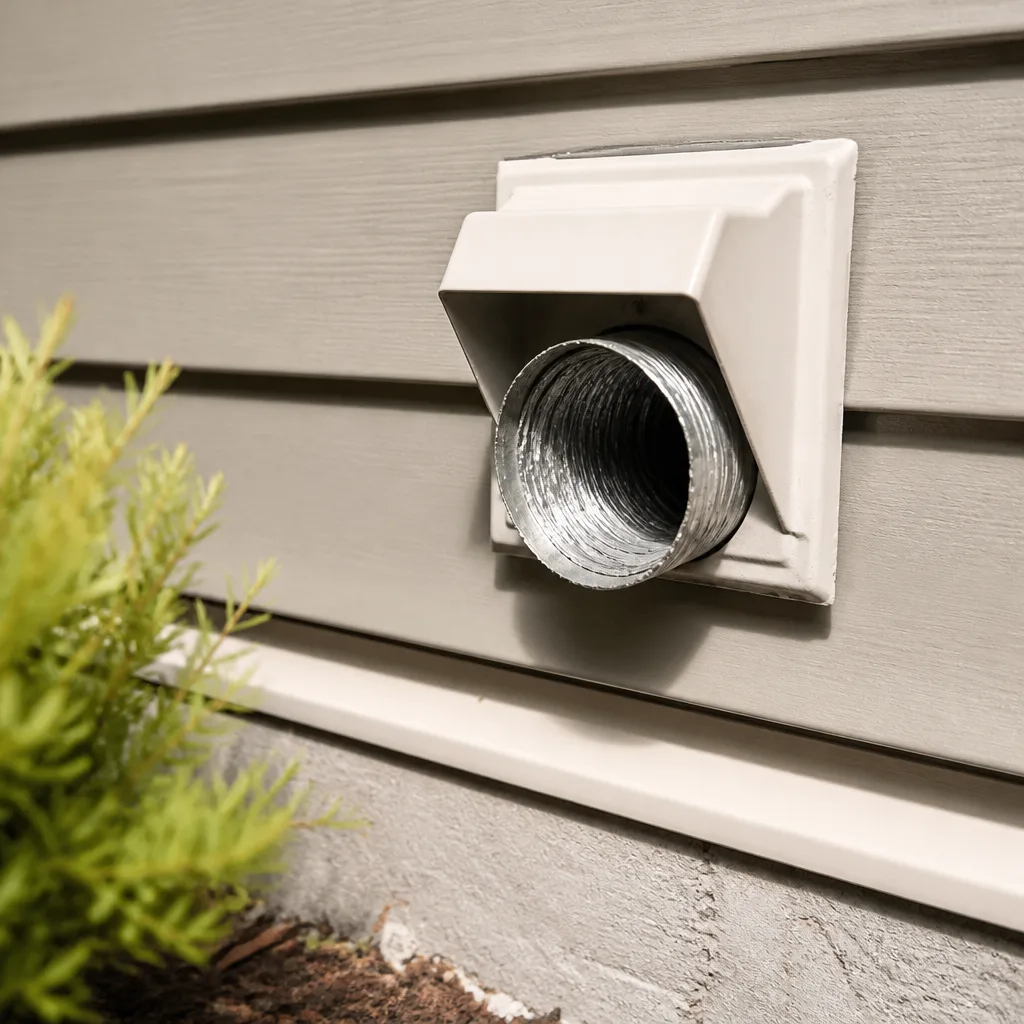 Dryer vent cleaning
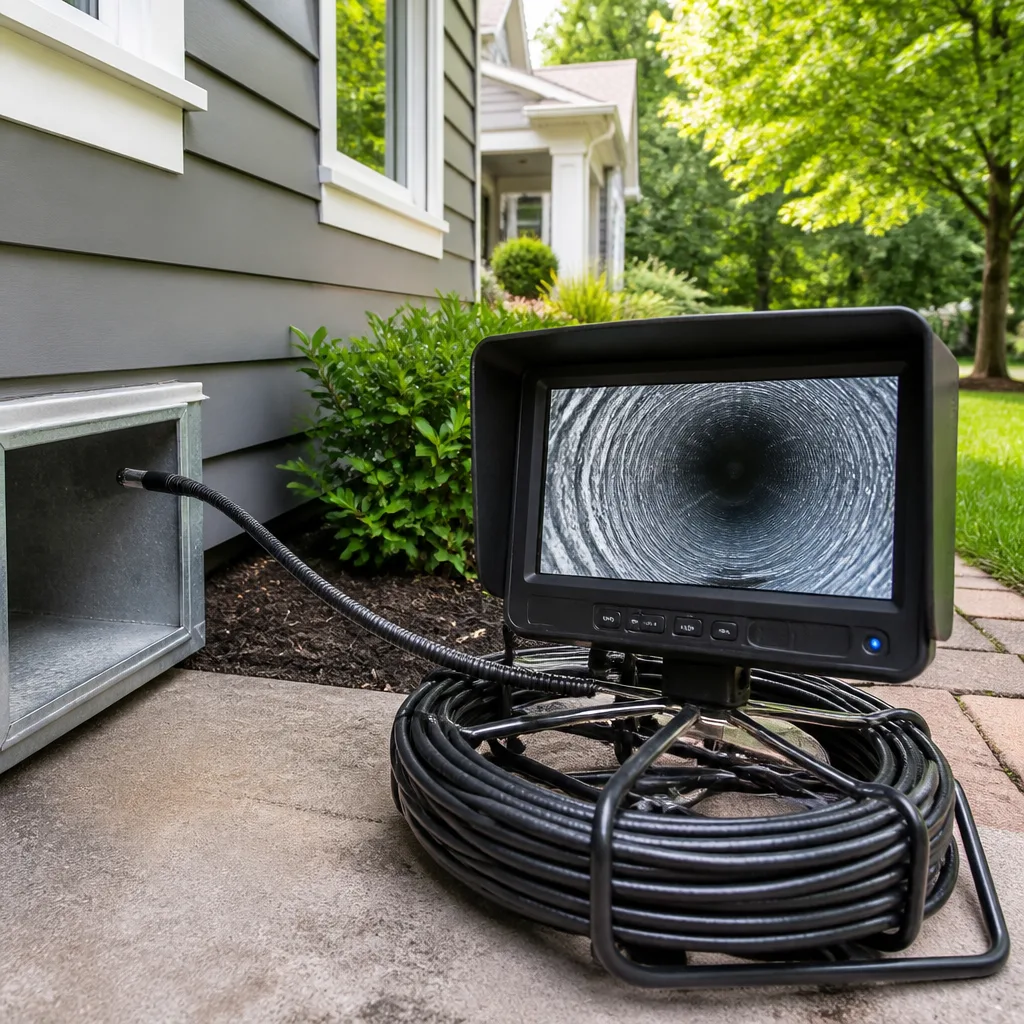 Camera inspection
 Sanitizing & deodorizing
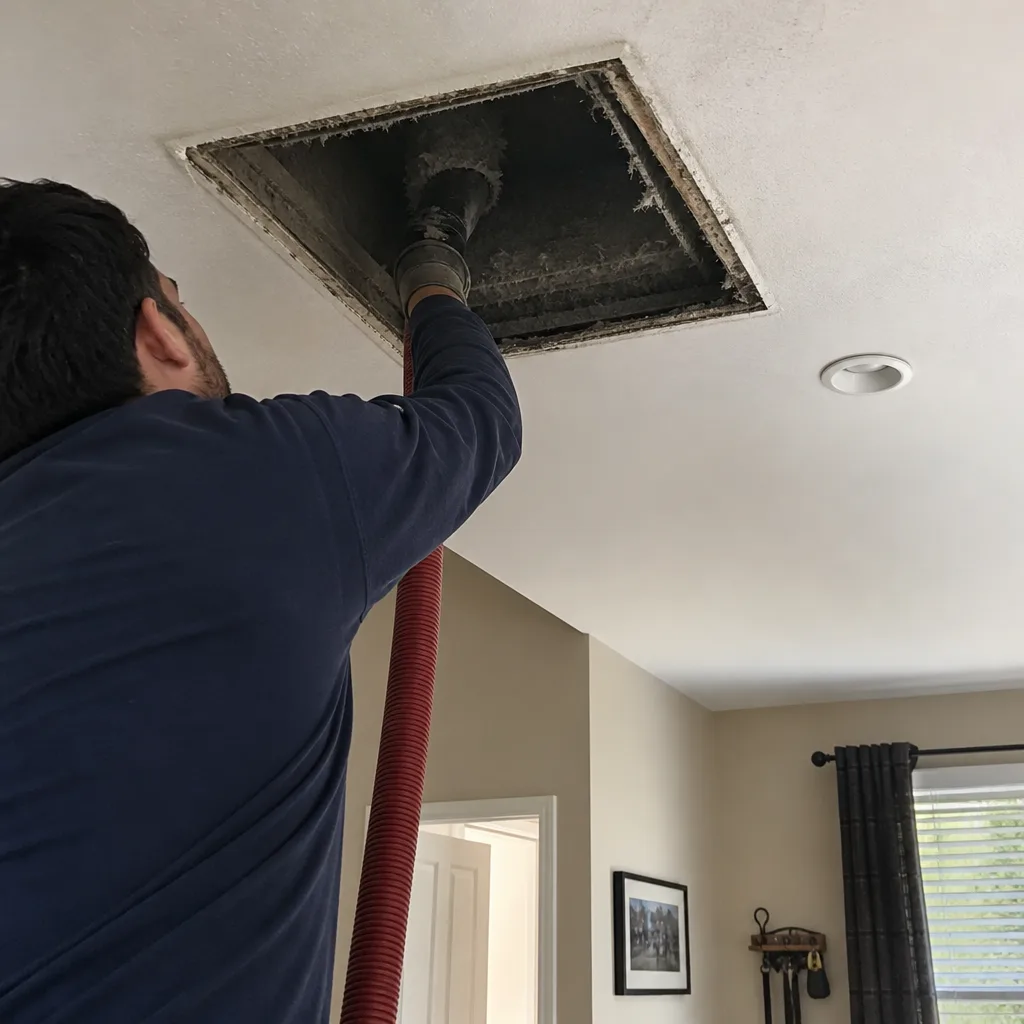
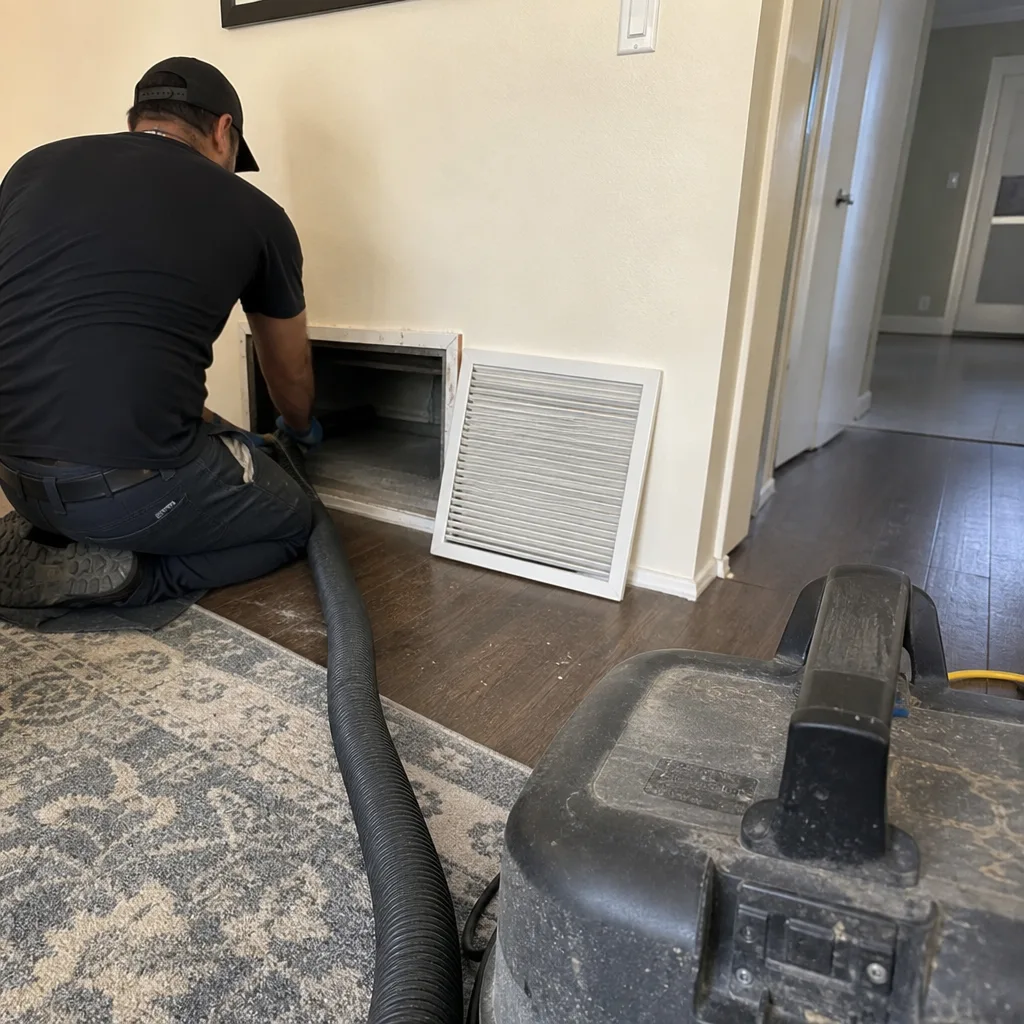
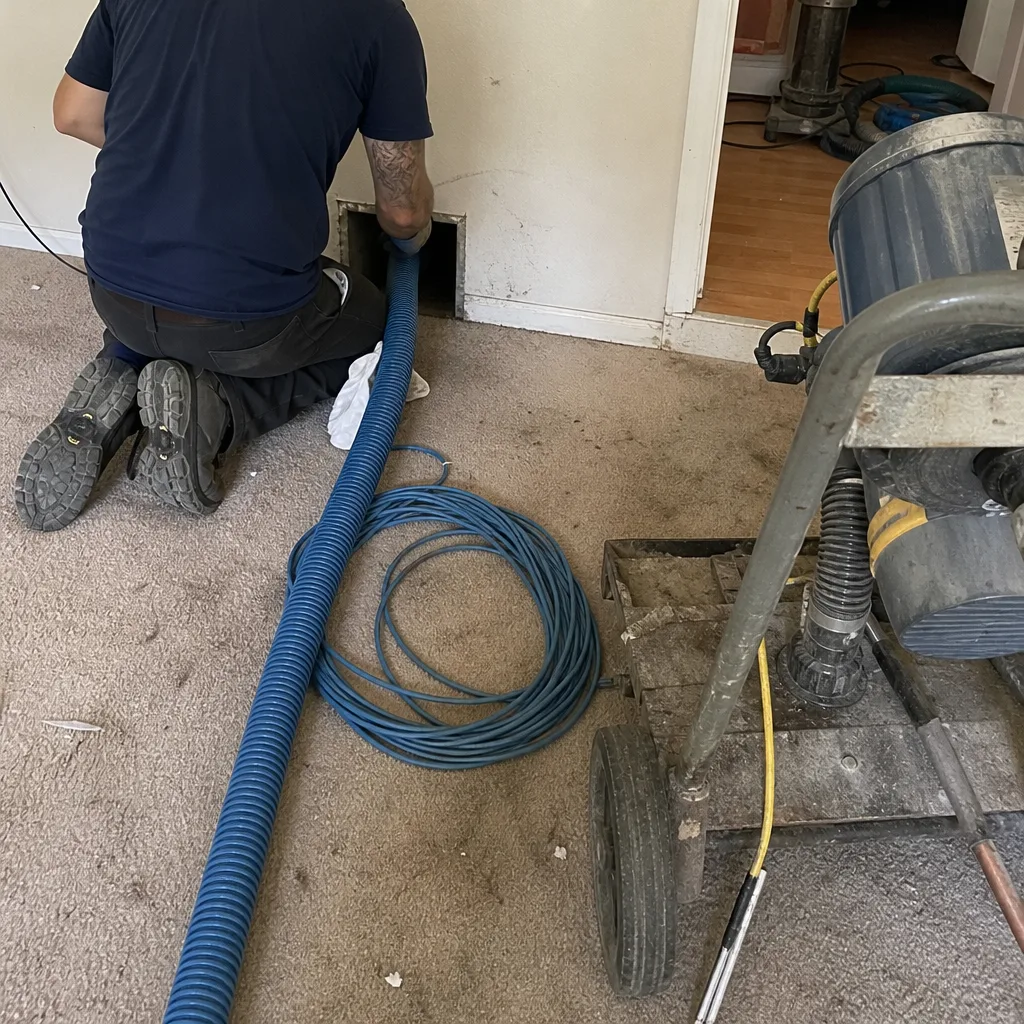
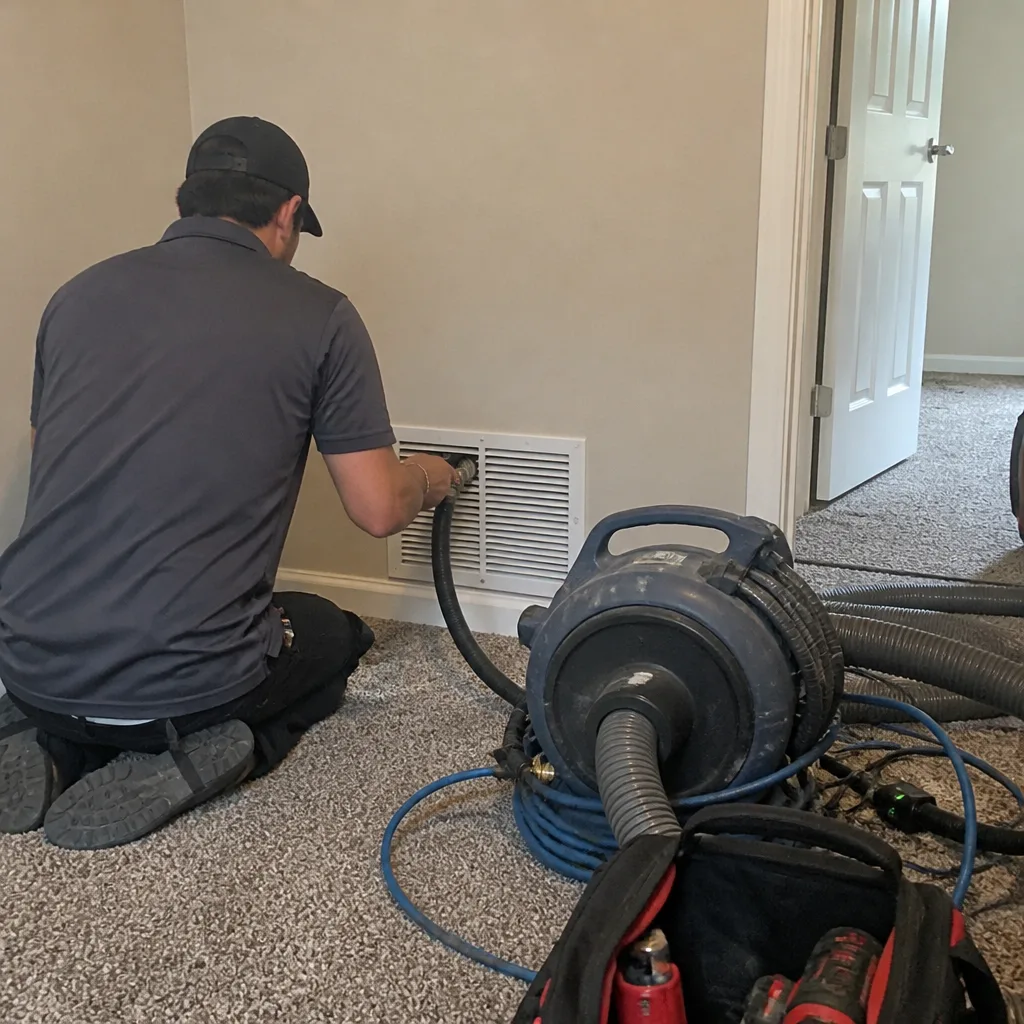
Whole-system duct and dryer vent check with before-and-after photos - you see exactly what came out of your vents
That "$99 whole-house special" is a bait ad - the real number appears once they are in your hallway, or the "clean" is a shop-vac at the register. We photograph the inside of your ducts before and after instead.
Air Duct Cleaning Permits, Codes & Inspections in CA: What You Need to Know
Most homeowners schedule duct cleaning without realizing that if the technician also seals or replaces ductwork, they may have just had unpermitted mechanical work done inside their home. The cleaning itself sits in a regulatory gray zone that confuses even experienced contractors. This guide maps the exact line between exempt cleaning and permitted work under California law, with specific attention to how Sacramento County and the City of Sacramento enforce these rules. We’ll cover Title 24, the California Mechanical Code, after-the-fact inspections during home sales, and how to protect yourself with documentation. As a North Sacramento-based duct specialist offering Air Duct Cleaning services, we’ve watched homeowners discover code violations the hard way, long after the cleaning van pulled away.
Styles & brands we work with
- Whole-home duct cleaning
- Dryer vent cleaning
- Camera inspection
- Sanitizing & deodorizing
Quick Answer
Air duct cleaning requires no permit in California because it is classified as maintenance, not construction. However, if the same visit includes duct sealing, repair, or replacement of more than a threshold percentage of ductwork, those modifications fall under the California Mechanical Code and Title 24, which can trigger permit and inspection requirements. The practical rule: cleaning alone never needs a permit; structural changes to the duct system might. Knowing that boundary before you hire protects you from unpermitted work that resurfaces during home sales or insurance claims.
Table of Contents
- The Legal Line: Cleaning vs. Modification
- What the California Mechanical Code Actually Says
- Title 24 and Duct Sealing Thresholds
- How Sacramento County and City of Sacramento Enforce Duct Codes
- After-the-Fact Duct Work in Home Sales and Insurance Claims
- What Documentation Should Look Like for Future Resale
- How to Verify a Contractor Is Pulling Required Permits
- Common Mistakes to Avoid
- When to Call a Professional
- Frequently Asked Questions
- The Bottom Line
The Legal Line: Cleaning vs. Modification
The distinction matters more than most people assume. Cleaning removes accumulated dust, debris, and microbial growth from the interior surfaces of existing ductwork using negative-pressure vacuums, rotary brushes, and compressed air tools. The ducts themselves remain exactly as they were installed. No material is added, removed, or changed. That is maintenance, and maintenance does not require a building permit anywhere in California.
Modification is different. The moment a technician cuts into a duct, applies mastic sealant to close a leak, replaces a damaged section, or re-routes a branch line, the work crosses from maintenance into mechanical construction. Under the California Mechanical Code, that triggers permit requirements in most jurisdictions. The trigger isn’t the intent of the work; it’s the physical change to the system.
Here’s the uncomfortable part: some duct cleaning companies blur this line deliberately. A technician finds a disconnected section during cleaning and reattaches it with sheet metal screws and foil tape. That’s a repair. It’s a small one, perhaps, but it’s a repair. If no permit was pulled, the homeowner now has unpermitted mechanical work on their property. In North Sacramento, where housing stock ranges from 1950s ranch homes to newer Natomas builds, we routinely see loose sections and poorly sealed joints from decades of settling – one reason we published our Air Duct Cleaning Warning Signs: A North Sacramento Homeowner’s Reference Guide. A responsible company documents what it found and what it did. A less scrupulous one reattaches the section and says nothing, because mentioning it would slow the job down.
Our approach at Stonebridge Air Duct Cleaning home is to separate the two functions explicitly. We clean with professional-grade Rotobrush and Nikro systems, and when we find structural issues that go beyond cleaning, we flag them, document them, and offer Air Duct Repair in South Natomas as a distinct service with its own scope and paperwork. The homeowner always knows which category the work falls into.
What the California Mechanical Code Actually Says
The California Mechanical Code (CMC) is Chapter 6 of the California Code of Regulations, Title 24, Part 4. It governs the installation, alteration, and repair of mechanical systems, including air distribution ductwork. Section 106.1 of the CMC states that no mechanical system may be installed, altered, or repaired without first obtaining a permit from the authority having jurisdiction.
Key language: “altered” and “repaired.” Not cleaned. Cleaning is not mentioned in the permit section because it falls outside the code’s scope. The code regulates construction activity, not maintenance activity. But the definitions matter. CMC Section 202 defines “repair” as the reconstruction or renewal of any part of an existing system for the purpose of its maintenance. If a duct section is so corroded that a technician replaces it, that’s repair. If a joint has separated and the technician re-secures and seals it, that’s repair.
Here’s what the code actually covers in practice for residential duct systems:
- Duct replacement: Removing and installing new duct sections, whether rigid sheet metal or flexible duct, requires a permit in most California jurisdictions.
- Duct sealing as a standalone service: Aeroseal-style or mastic-based sealing that changes the airtightness of the system falls into a gray zone. Some jurisdictions treat it as alteration, requiring a permit; others exempt it as maintenance. Sacramento County’s building department has historically treated duct sealing as exempt when performed as part of routine maintenance, but the interpretation can shift with code cycles.
- Duct modification: Re-routing ductwork, adding or removing supply registers, or changing the layout of the distribution system is clearly permitted work under the CMC.
- Insulation changes: Adding or replacing duct insulation is regulated under Title 24 energy standards, not the CMC directly, but it can trigger inspection requirements in some jurisdictions.
What surprises many North Sacramento homeowners is that the threshold is not about how much work was done; it’s about whether the work constitutes alteration or repair at all, a topic we explore in our Air Duct Cleaning Troubleshooting: Common Problems and How to Fix Them. A single replaced duct section technically falls under the CMC. Enforcement varies, of course. A city inspector is not going to flag a two-foot section of flex duct someone swapped out a decade ago. But the legal exposure exists, and it compounds when the work is discovered during a building inspection for something else entirely.
Title 24 and Duct Sealing Thresholds
California’s Title 24 energy standards add a second layer of regulation that most homeowners never hear about until it’s too late. Section 150.0 of the California Energy Code requires that when a certain percentage of a building’s duct system is replaced or modified, the entire accessible portion of the duct system must be sealed and verified through diagnostic testing.
The threshold that matters is 40%. When more than 40% of the duct system in a single-family residence is replaced or newly installed, Title 24 requires that the entire system be sealed to a specific leakage standard. The exact leakage limit depends on the climate zone. Sacramento is climate zone 12 for the city proper and zone 11 for parts of Sacramento County. Those zones have specific maximum duct leakage allowances measured in CFM (cubic feet per minute) per 100 square feet of conditioned floor area when tested at 25 pascals of pressure.
What does this mean practically? If your North Sacramento home needs substantial duct repair, not just cleaning, the contractor cannot simply replace bad sections and walk away. Under Title 24, the work may trigger a requirement to seal and test the entire system. That test requires specialized equipment: a duct blaster, a manometer, and training in California’s diagnostic protocols. A $200 handyman with a roll of foil tape cannot comply with this requirement, because he lacks the testing equipment to verify compliance.
Here’s the sequence of what happens when the 40% threshold is crossed, per California Energy Code Section 150.0(m):
- Verification by a HERS rater or approved third party: The duct leakage test must be performed by a certified Home Energy Rating System (HERS) rater, not by the installing contractor.
- Sealing to the zone-specific CFM limit: Sacramento’s climate zones 11 and 12 have leakage limits that the contractor must hit. If the test fails, additional sealing work is required and the test must be repeated.
- Documentation filed with the building department: The test results must be submitted as part of the permit record. This is the paper trail that protects the homeowner at resale.
- Final inspection sign-off: The permit is not closed until the testing documentation is on file.
For homeowners, the lesson is simple: if your duct repair project crosses the 40% threshold, make sure the contractor has a plan for Title 24 compliance before the work starts. If the contractor looks confused when you mention HERS testing, that’s your signal to find someone else.
How Sacramento County and City of Sacramento Enforce Duct Codes
Sacramento’s building departments operate with practical enforcement for duct work, but that practicality cuts both ways. The City of Sacramento Building Division and Sacramento County’s Building Permits and Inspection Division both follow the same code, but they apply it with different institutional cultures.
In the City of Sacramento, duct work performed as part of a larger remodel triggers permit requirements, and inspectors do check for mechanical permits during unrelated inspections. If you’re remodeling a kitchen in Land Park or East Sacramento and an inspector sees new ductwork, the inspector will ask to see the mechanical permit. If the work was done without one, the inspector can place a stop-work order on the entire project until the after-the-fact permit is obtained and the work is inspected.
Sacramento County takes a similar approach but with slightly more tolerance for small repairs in unincorporated areas. In communities like Rio Linda, Elverta, and Antelope, the county’s inspection staff focuses on safety-critical issues first. A poorly sealed duct joint is less likely to generate a correction notice than an improperly vented gas appliance. But that tolerance disappears when the work is discovered during a title-24 energy compliance audit or a home sale inspection.
North Sacramento sits at the intersection of city and county jurisdiction depending on the exact address. Some North Sacramento addresses fall under the City of Sacramento; others are unincorporated Sacramento County. That means the specific enforcement culture that applies to your home depends on your parcel map, not your mailing address. When we work on homes in the Air Duct Cleaning in South Natomas area, we’re dealing with City of Sacramento jurisdiction. Homes just north of the American River in unincorporated county pockets may face different inspection practices. This is why generic advice about “Sacramento” duct codes is often wrong; the jurisdiction boundary matters.
For homeowners, the practical takeaway is this: assume the stricter interpretation applies to your property. If work crosses the cleaning-to-repair line, pull the permit. The cost of a mechanical permit in Sacramento is a small fraction of the cost of an after-the-fact permit, which typically includes double fees and a more adversarial inspection.
After-the-Fact Duct Work in Home Sales and Insurance Claims
This is where unpermitted duct work becomes expensive. During a home sale escrow, the buyer’s inspection report will flag any visible modifications that don’t match the permit record. Sacramento’s real estate market moves fast, and sellers often don’t remember whether the duct repair from five years ago had a permit. The burden of proof falls on the seller, not the buyer.
If an inspector identifies duct repairs without a corresponding permit on file, the seller has a few options:
- Obtain an after-the-fact permit: The seller applies for a permit retroactively, pays the current fees plus a penalty multiplier in most Sacramento jurisdictions, and schedules an inspection. The inspector will look at the work, possibly require opening access panels to verify the installation, and sign off if the work meets code. This typically costs three to five times the original permit fee and adds weeks to the escrow timeline.
- Disclose and negotiate: The seller discloses the unpermitted work and the buyer’s agent negotiates a credit or price reduction. In a seller’s market, this sometimes works. In a buyer’s market, it doesn’t.
- Remove the work: In extreme cases, a seller chooses to have the unpermitted duct work removed and the system returned to its prior state. This is almost never cost-effective.
Insurance claims present a parallel problem. If a homeowner files a claim for water damage caused by a failed duct joint, the insurer will investigate the installation history. Unpermitted modifications give the insurer grounds to deny the claim or reduce the payout, even if the unpermitted work didn’t directly cause the failure. Insurers don’t need to prove the work caused the problem; they only need to establish that unpermitted work existed, which invalidates policy coverage under most California homeowners policies.
We’ve seen this scenario play out in North Sacramento’s older housing stock, where duct systems from the 1970s and 1980s have been patched repeatedly by a succession of owners and handymen. The homeowner who discovers the problem is rarely the one who created it. That’s why documentation of all duct work, even minor repairs, matters more than most people think.
What Documentation Should Look Like for Future Resale
If you have duct work done before your home is sold, the paperwork should be specific enough to survive scrutiny from a buyer’s inspector or an insurance claims adjuster. Vague invoices are not enough. “Repaired duct system” is not documentation. Neither is “sealed leaks as needed.”
Here’s what proper documentation should include:
- A scope of work with specifics: Which duct sections were addressed, what the method was, and what materials were used. Mastic versus foil tape matters to a claims adjuster because the code treats them differently.
- Before-and-after photos: Visual evidence of the condition found and the condition after repair. This is the single most valuable piece of documentation for future resale, because it proves the work happened and shows what the condition was.
- Permit number, if applicable: If the work required a permit, the invoice should reference the permit number and the jurisdiction that issued it. The permit record lives at the building department, but having the number on file with your other home documents makes future research easier.
- Test results, where required: If Title 24 duct testing was performed, keep the HERS verification document. It proves the system met the code’s leakage standard at the time of work.
- Contractor identification: The company name, license number, and the name of the technician who performed the work. A buyer’s inspector will sometimes call the company to verify the work. A company that can’t be reached makes the work look suspect.
At Stonebridge Air Duct Cleaning home, we generate documentation for every repair visit as a matter of policy. Even when the fix is small, the homeowner leaves with a written record that pinpoints what was found, what was done, and what the condition looks like afterward. For Air Duct Repair in South Natomas clients, that documentation has proven valuable years later when properties changed hands.
How to Verify a Contractor Is Pulling Required Permits
Contractors know that homeowners rarely ask about permits for duct work. The unscrupulous ones count on that ignorance. Here’s how to check before and during the work, with specifics for Sacramento-area jurisdictions.
Before the work starts
- Ask the direct question in writing: “Will this work require a permit, and will you be pulling it?” A licensed contractor who hesitates, deflects, or says “you don’t need a permit for this” without explaining why the work falls into the exempt category should be treated with suspicion.
- Check the contractor’s license status: California’s Contractors State License Board (CSLB) maintains a public database at cslb.ca.gov. Every contractor performing duct work should hold a C-20 warm-air heating, ventilating, and air-conditioning contractor license, or a B general building license. Search the license number and verify it’s active and in good standing.
- Verify the permit requirement independently: Call the City of Sacramento Building Division at (833) 467-4303 or the Sacramento County Building Permits and Inspection Division at (833) 467-4303 and describe the work. The counter staff will tell you whether a permit is required for the scope you describe. Do not rely on the contractor’s answer as the only source of truth.
During the work
- Ask for the permit number before the work begins: If a permit was pulled, the contractor should have a number and the issuing jurisdiction. The number should appear on the permit card posted at the job site.
- Verify the permit online: Both the City of Sacramento and Sacramento County maintain online permit search portals. Enter the address and confirm the permit exists and matches the scope of work.
- Expect an inspection: If the work requires a permit, an inspection will happen. The contractor should tell you when to expect the inspector and should be present for the inspection. If a contractor pulls a permit and then tries to avoid the inspection, that’s a red flag.
One additional note for North Sacramento specifically: some contractors will claim that duct work doesn’t require a permit in Sacramento County because the county is “more relaxed” than the city. That claim is false. The code is the same. Enforcement culture may differ slightly, but the legal requirement does not.
Common Mistakes to Avoid
- Treating all duct work as the same category: Cleaning, sealing, repair, and replacement are different activities under the code. Homeowners who treat them interchangeably end up with unpermitted work they didn’t know they had.
- Hiring a handyman for duct repair: A handyman cannot legally perform duct repair in California unless they hold a contractor’s license with the appropriate classification. The work may be unpermitted and the worker may be unlicensed, which means zero recourse if the work fails.
- Accepting “it’s just maintenance” as an explanation: Maintenance is a legal category, not a vibes-based one. If a contractor says work is exempt, ask them to explain why it fits the exemption. An honest contractor can articulate the code basis in thirty seconds.
- Not keeping documentation of minor repairs: Even small duct fixes that don’t require a permit should be documented. Paperwork the homeowner keeps now prevents disputes at resale later.
- Ignoring Title 24 testing requirements on larger repairs: When more than 40% of the duct system is replaced or modified, the testing requirement applies. A contractor who doesn’t mention testing for a large repair is either unaware of the code or hoping you are.
- Filing an insurance claim without documentation of prior duct work: If you’ve had duct repairs in the past and later file a claim involving the duct system, the insurer will look for the paper trail. No paper trail means claim denial is more likely.
When to Call a Professional
If you’re scheduling duct cleaning for the first time in a home you’ve owned for years, or if you’ve recently inherited a property with unknown duct work history, call a specialist who can assess what you have before any work happens. The right professional will tell you where cleaning ends and repair begins, and will help you figure out whether past work on the system was permitted. If you already suspect unpermitted work from a previous owner or contractor, you need someone who can evaluate the system objectively and explain your options for bringing it into compliance. Stonebridge Air Duct Cleaning offers free estimates in North Sacramento. Call (833) 467-4303 and we’ll inspect your duct system, tell you what you have, and give you an honest assessment of what’s needed.
Frequently Asked Questions
No. Air duct cleaning is classified as maintenance and does not require a permit under the California Mechanical Code. The permit requirement triggers when the work crosses into repair, alteration, or replacement of duct sections.
Search the online permit portal for the City of Sacramento or Sacramento County using your address. Both agencies maintain publicly searchable databases. If a permit was issued for your property, it will appear with the scope of work and status. Call (833) 467-4303 if you’d like a professional assessment of your duct system while you research the paperwork.
The seller must either obtain an after-the-fact permit and pass inspection, disclose the unpermitted work and negotiate with the buyer, or remove the work. After-the-fact permits cost more than original permits and typically include penalty fees. The timeline impact ranges from two to six weeks.
When more than 40% of a duct system is replaced or modified in a single-family home, Title 24 requires that the entire system be sealed and verified through HERS testing. Sacramento falls in climate zones 11 and 12, which have specific maximum leakage limits measured in CFM per 100 square feet of conditioned area.
Only if the work stays strictly within the cleaning scope. If the contractor reattaches a separated section, seals joints, or replaces a damaged piece, that’s repair and may require a permit. Reputable companies will flag the distinction explicitly and document any repair separately from the cleaning. Ask, “Is this cleaning or is this repair?” before the work proceeds.
No. Dryer vent cleaning is maintenance and is exempt from permit requirements under California code. It’s also one of the most important maintenance tasks for fire safety, since lint buildup is a leading cause of residential dryer fires. Learn more about our Dryer Vent Cleaning in South Natomas service.
The Bottom Line
Air duct cleaning is unregulated maintenance; duct repair and replacement are regulated construction. The boundary between the two is where North Sacramento homeowners get into trouble, usually without knowing it. Understanding that boundary, verifying permits when they’re required, and keeping documentation of all duct work are the three habits that protect you from unpermitted work, denied insurance claims, and messy escrow negotiations. If you’re uncertain whether work on your system falls into the permitted category, ask the question before the work starts, not after. And if you want a straight answer about what your duct system actually needs, call (833) 467-4303 for a free estimate from a company that treats duct systems as its only discipline.
Written by the team at Stonebridge Air Duct Cleaning, serving North Sacramento since 2014. Explore more guides & resources on our blog.
See the difference
 Before
 After
 Before
 After
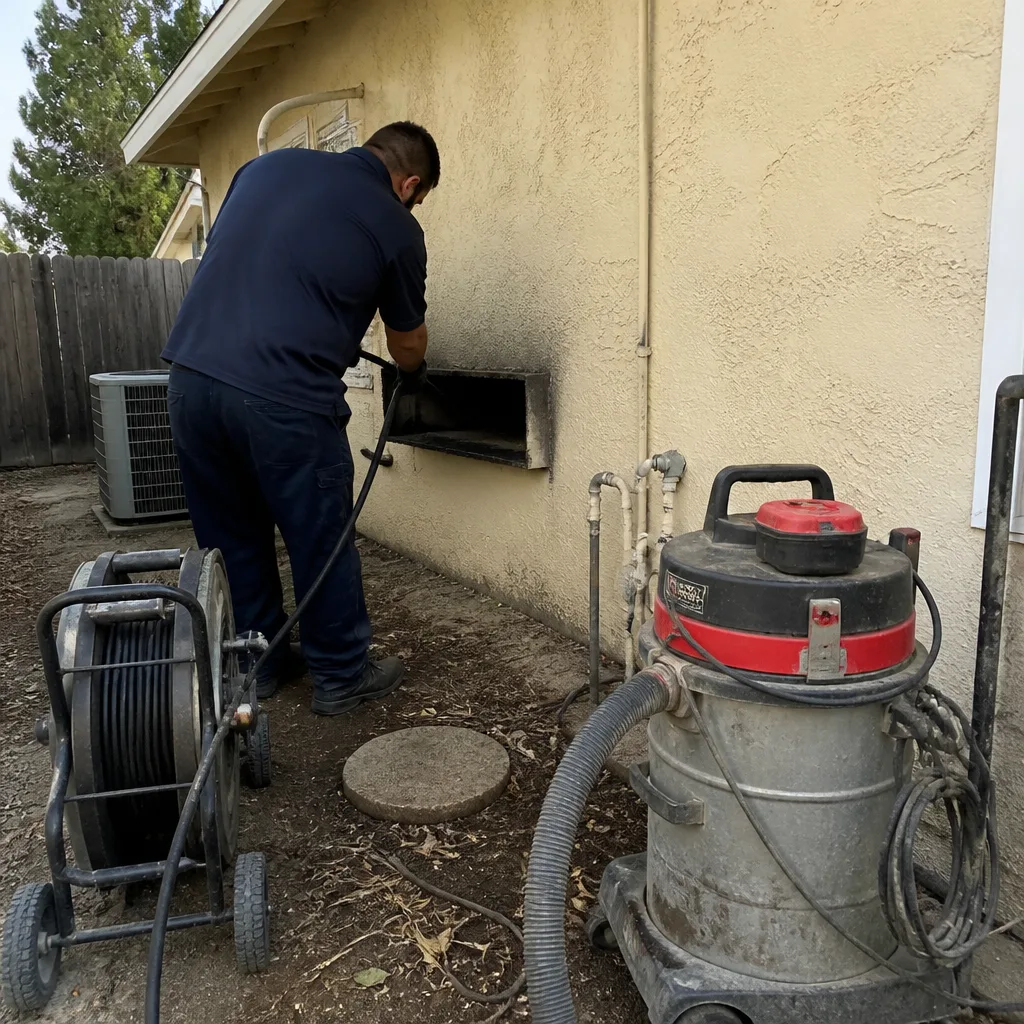 Before
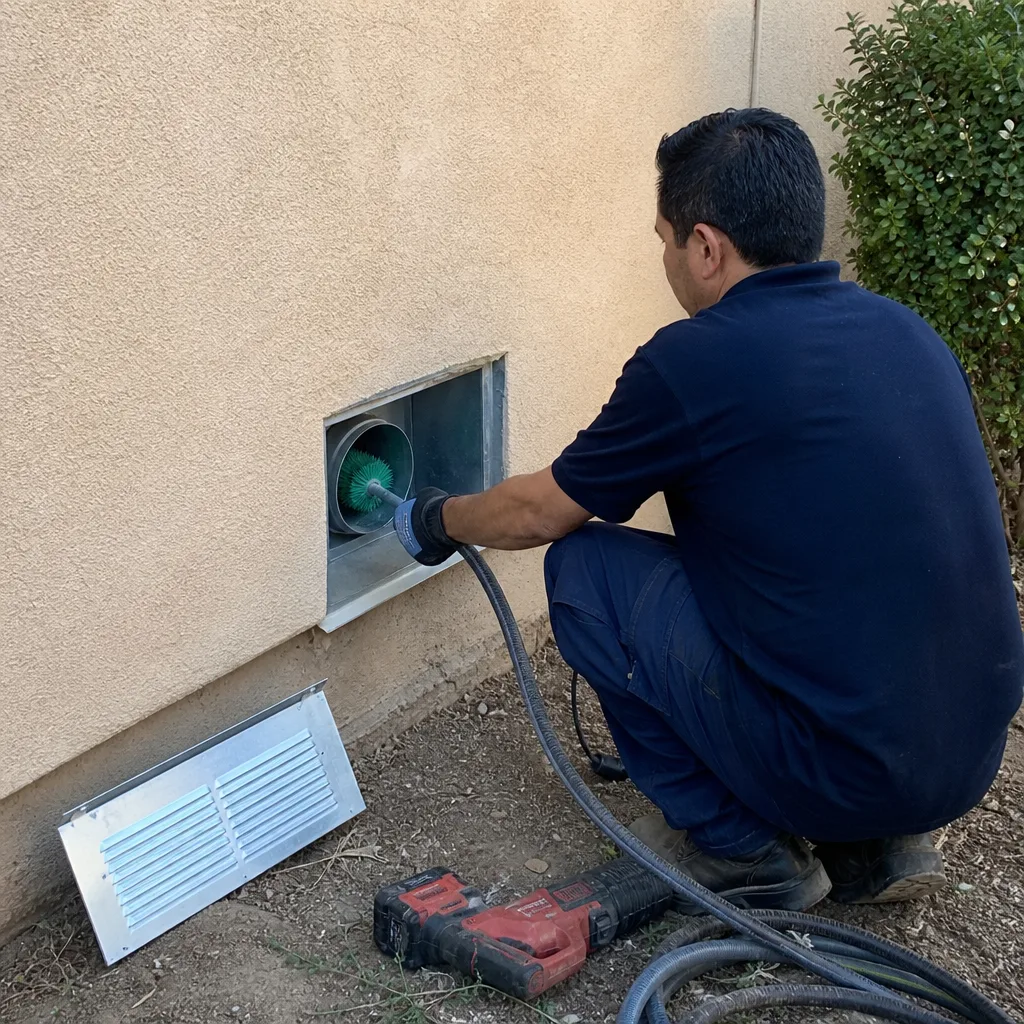 After