
Last updated November 2, 2026
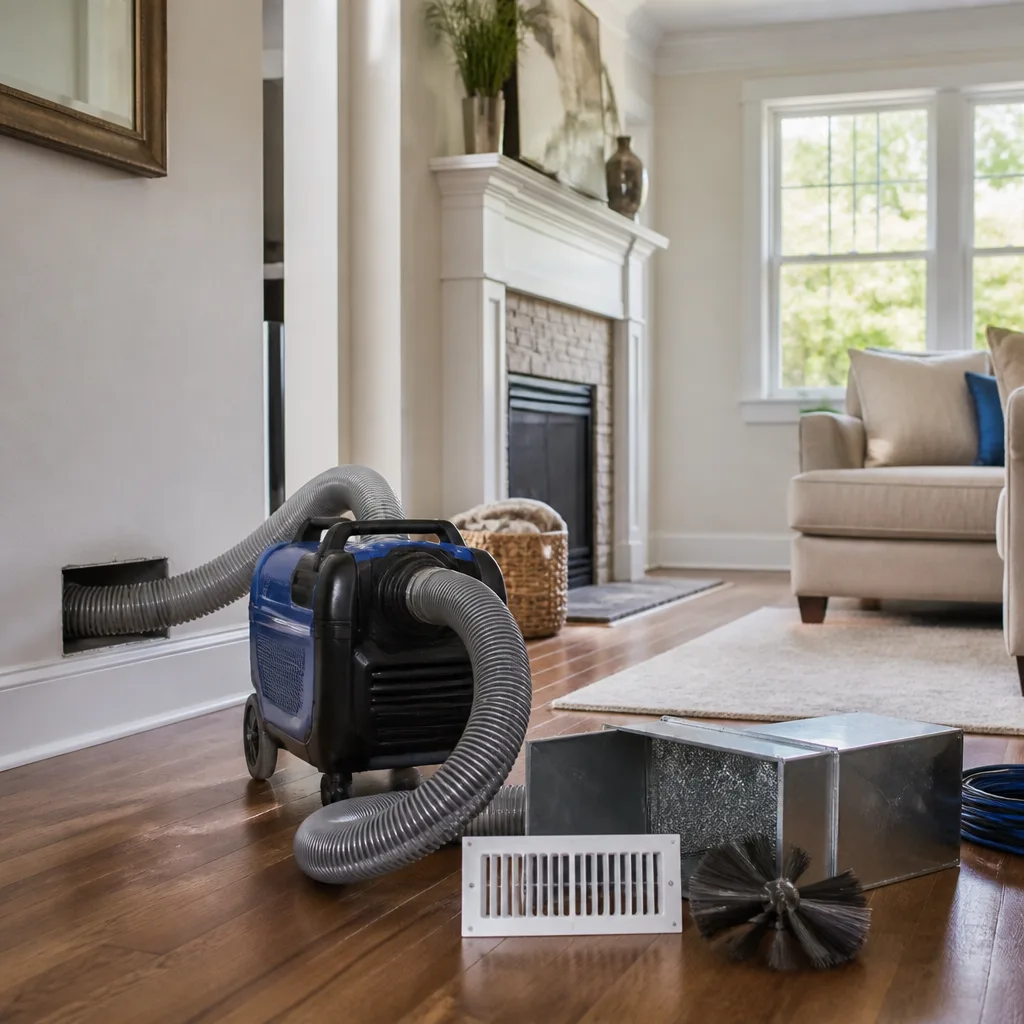 Whole-home duct cleaning
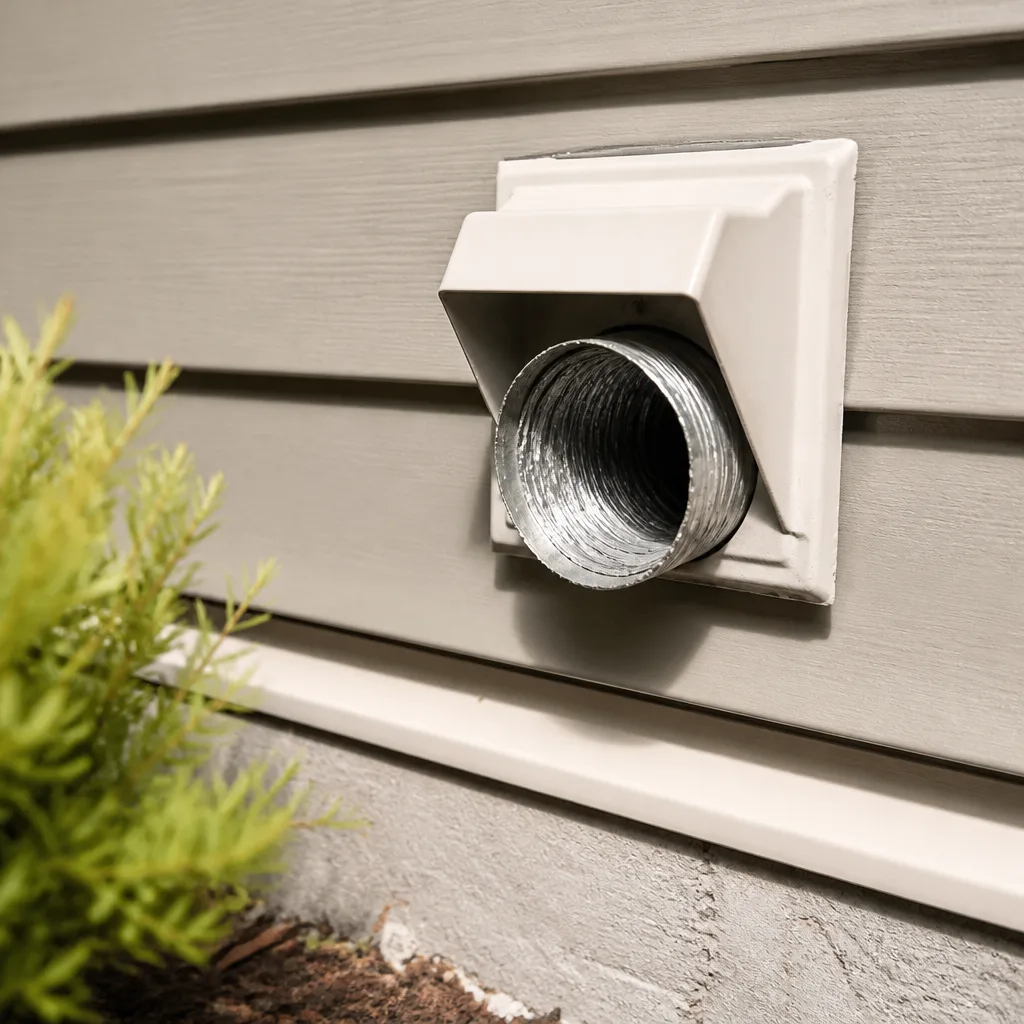 Dryer vent cleaning
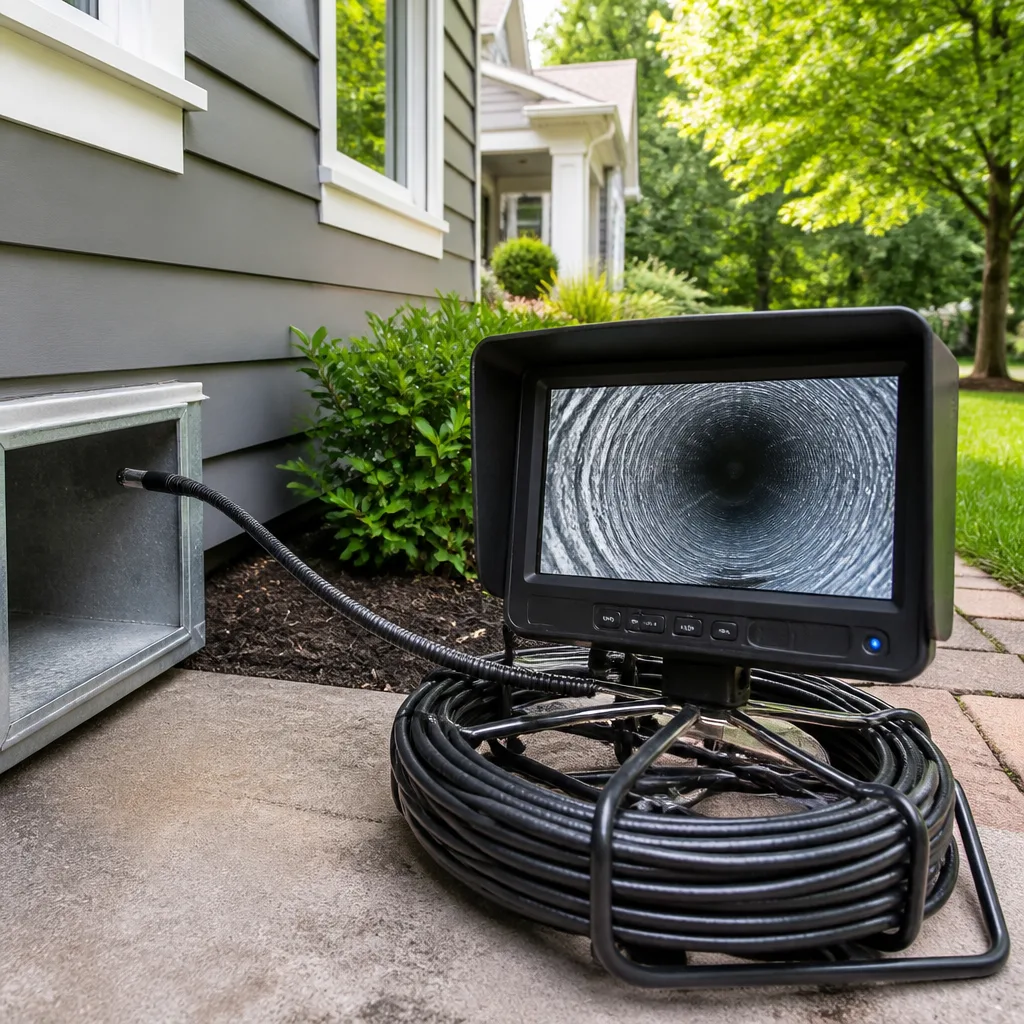 Camera inspection
 Sanitizing & deodorizing
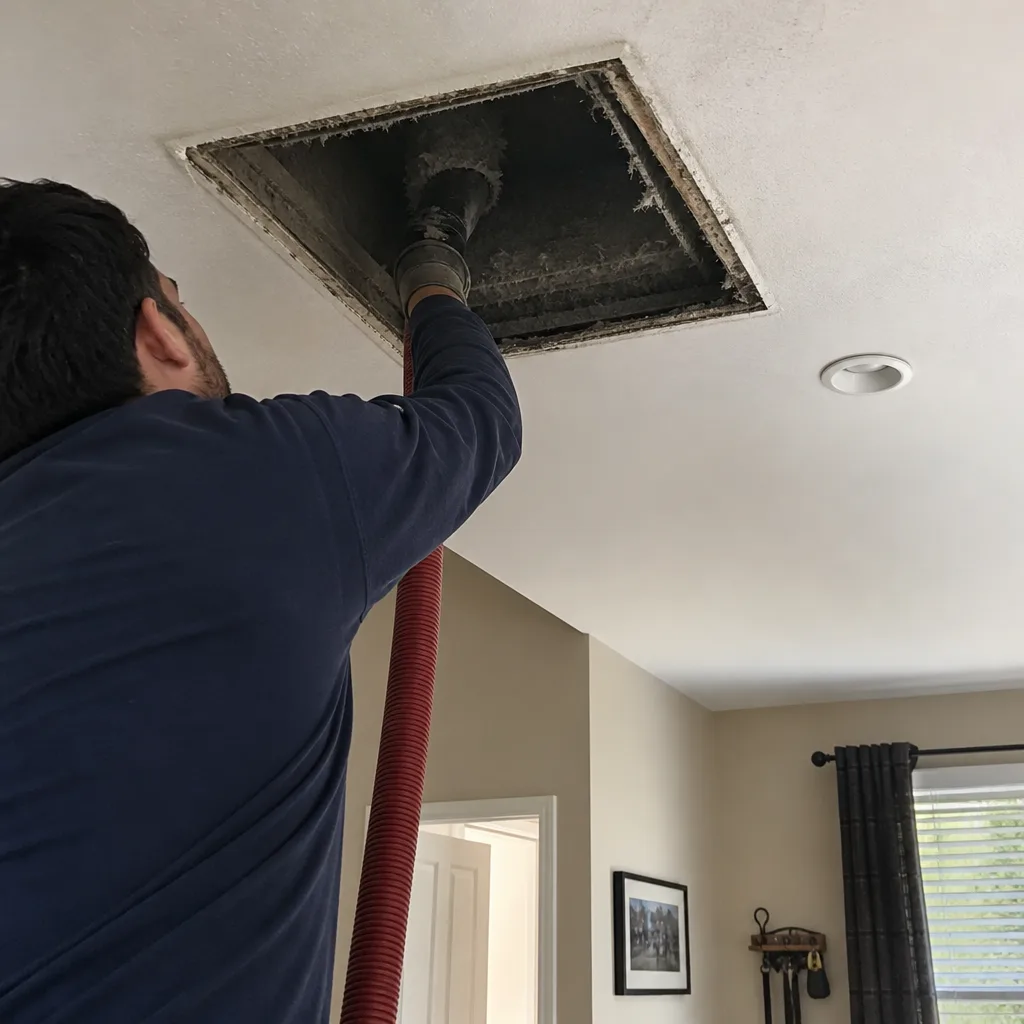
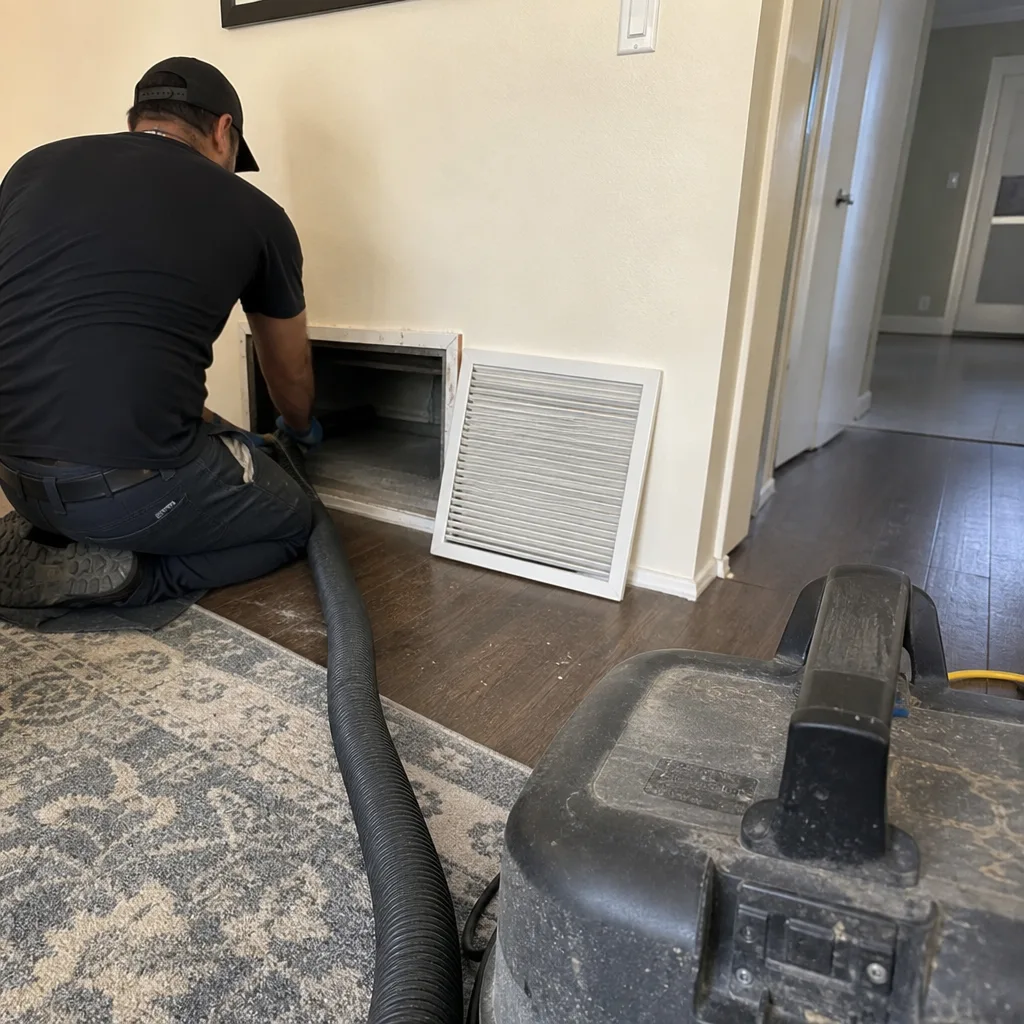
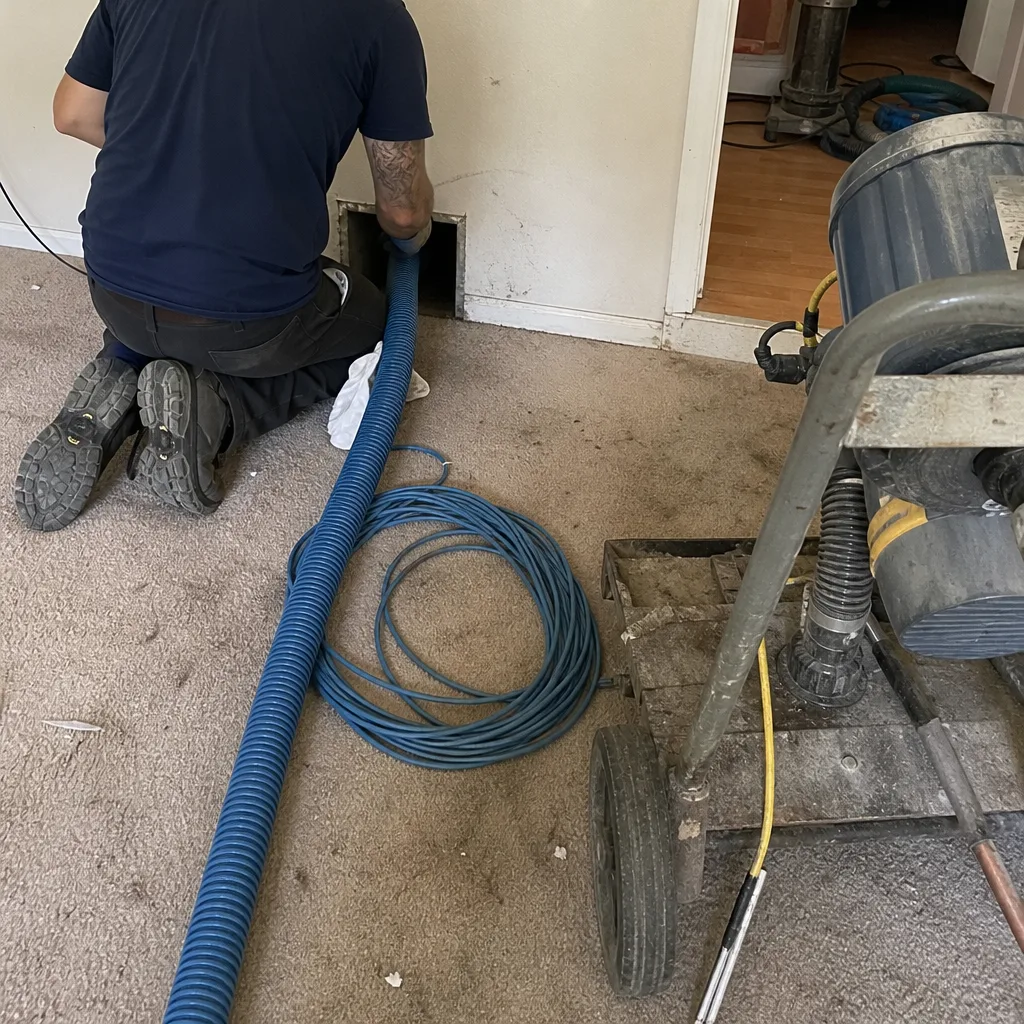
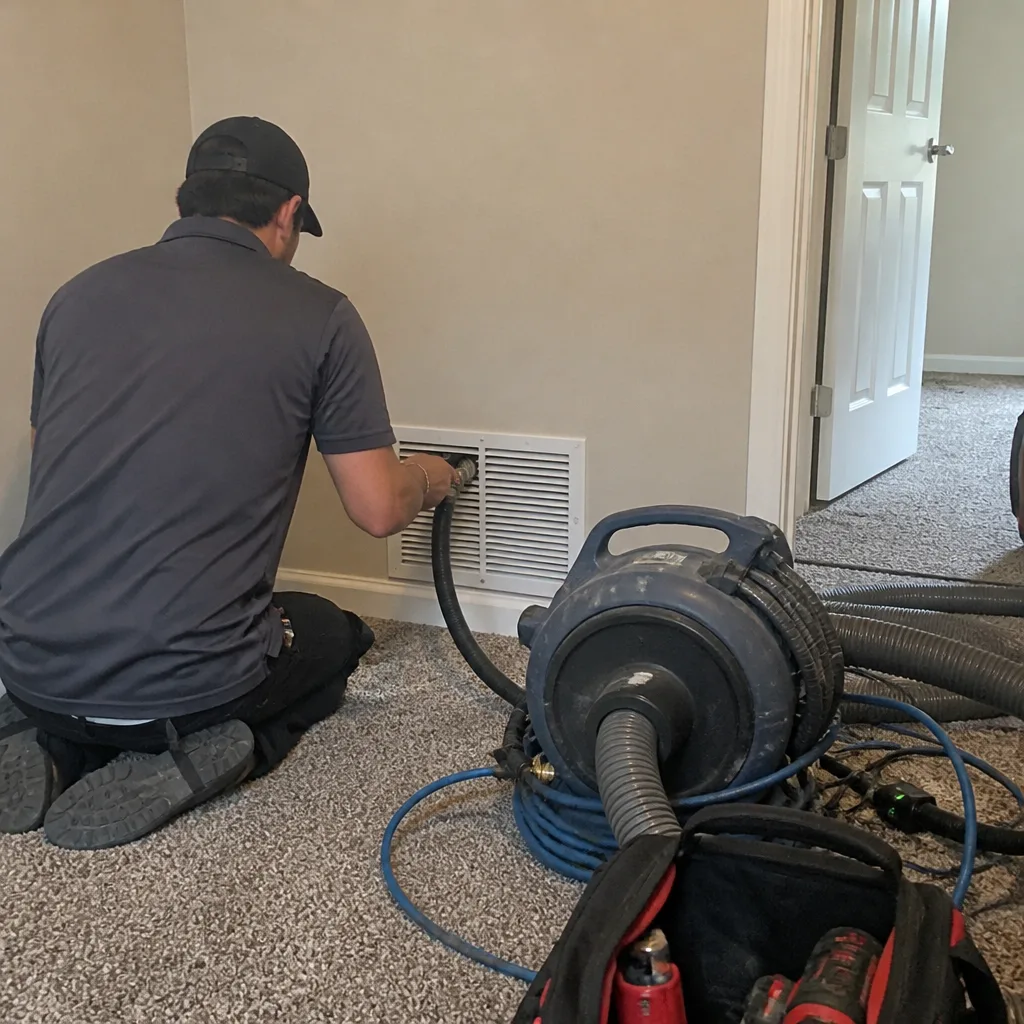
Whole-system duct and dryer vent check with before-and-after photos - you see exactly what came out of your vents
That "$99 whole-house special" is a bait ad - the real number appears once they are in your hallway, or the "clean" is a shop-vac at the register. We photograph the inside of your ducts before and after instead.
Air Duct Cleaning Emergency Preparedness Guide for North Sacramento Homes
During the August 2020 wildfire siege, Sacramento’s air quality index hit 317, a level where the air itself was classified as hazardous. What most North Sacramento homeowners didn’t realize at the time: every hour their HVAC ran, that smoke-laden air was pulled through return vents, pushed across the evaporator coil, and distributed through every duct run in the house. The system kept the house livable, yes. But it also coated duct surfaces, filter housings, and blower assemblies with a fine layer of residue that normal filter changes never address. This guide gives North Sacramento homeowners a working protocol for protecting their duct systems before, during, and after the emergencies this region actually faces: wildfire smoke, flood events, and extended power outages.
Stonebridge Air Duct Cleaning home is the base for all of our North Sacramento indoor air quality work, and this guide reflects what we’ve learned responding to contamination events across the Sacramento basin.
Quick Answer
Air duct cleaning after an emergency in North Sacramento is about timing and scope. During wildfire smoke events, you should shut your HVAC system down or run it on recirculate with the highest MERV filter your unit can handle. After the event passes, ducts that were exposed to heavy smoke or flood moisture need Air Duct Cleaning services because the contamination sits on metal, fiberglass, and flex-duct surfaces where household cleaning can’t reach. The realistic cost range for whole-system duct cleaning in the Sacramento area runs $450 to $900 depending on home size and contamination level, and post-disaster cleaning is frequently covered by homeowners insurance when properly documented.
Styles & brands we work with
- Whole-home duct cleaning
- Dryer vent cleaning
- Camera inspection
- Sanitizing & deodorizing
Table of Contents
- How to Shut Down Your HVAC System During an Air Quality Emergency
- Smoke Odor on Duct Surfaces vs. Particulate in the Air Handler
- Post-Flood Duct Assessment: Why Moisture Is the Bigger Threat
- Building an Emergency Kit and Protocol Document for Your Home
- Insurance Coverage for Post-Disaster Duct Cleaning
- Power Outage Recovery and Your Duct System
- Common Mistakes to Avoid
- When to Call a Professional
How to Shut Down Your HVAC System During an Air Quality Emergency
Here’s the counterintuitive part: during a heavy smoke event in North Sacramento, turning your HVAC completely off is often the right move, but for a reason most people get wrong. The danger isn’t just that the system pulls in dirty air. It’s that prolonged operation coats the evaporator coil with smoke residue, and that coil sits in the airstream for every future cooling cycle. Once coated, it off-gasses odor and particles for months until professionally cleaned.
That said, Sacramento summer temperatures make “just turn it off” complicated. If indoor temperatures become unsafe, or if a household member has respiratory issues, running the system isn’t optional. In that case, follow these steps:
- Set the fan to ON, not AUTO. This keeps air moving through the filter continuously instead of cycling, which means more passes through the filter medium and less time for particles to settle in the ductwork.
- Install the highest MERV filter your system can handle. For most residential units in North Sacramento, that’s MERV 11 to 13. Check the manufacturer spec for your air handler before jumping to MERV 16; that density can choke airflow and stress the blower motor.
- Close the fresh air intake damper. Many newer North Sacramento homes have an outdoor air intake for ventilation code compliance. Locate it near the return plenum and close it during smoke events. This is the primary path for raw outdoor air directly into the system.
- Keep windows and doors closed for 48 to 72 hours after the smoke clears. Ducts cool slowly, and residual particulates that settled on interior surfaces will re-enter the airstream if you resume normal operation immediately.
- After the event, inspect the filter before replacing it. If the filter is dark gray or brown with visible soot rather than normal household dust, assume duct contamination and schedule an evaluation.
For a more detailed look at what professional cleaning entails in this part of the city, see our write-up on Air Duct Cleaning in South Natomas. The protocols are identical across the North Sacramento basin.
Smoke Odor on Duct Surfaces vs. Particulate in the Air Handler
Most homeowners in North Sacramento can’t tell the difference between a duct-surface problem and an air handler problem. The distinction matters because it determines what kind of cleaning actually fixes the issue. This is the split:
- Duct surface contamination: Smoke odor that lingers for weeks, a visible film on vent grilles, and dust accumulation on furniture that reappears days after dusting. The contamination sits on the interior walls of the supply and return duct runs. Standard duct cleaning with contractor-grade equipment addresses this.
- Air handler contamination: Odor that intensifies when the system first kicks on, reduced airflow at vents, and a musty smell originating from the mechanical closet or garage unit. The contamination is in the blower assembly, evaporator coil, and drain pan. This requires equipment cleaning, not just duct work.
- Combined contamination: After a severe smoke event in North Sacramento, you’re almost certainly looking at both. The system pulls smoke through the return, deposits particulate on the coil and blower, then pushes residue downstream into supply ducts. Treating one without the other leaves residual odor that a homeowner will notice within two weeks.
In our experience responding to post-wildfire contamination calls, the single most reliable indicator that an air handler needs equipment-level cleaning is a faint campfire smell that appears the moment the blower engages, then fades after five to ten minutes of operation. That smell is residue on the coil warming up and off-gassing. Duct-only cleaning won’t touch it.
The equipment matters here. When we clean post-smoke systems in North Sacramento, we run Rotobrush and Nikro systems through every accessible duct run, and we open the air handler compartment to clean the blower wheel and coil surfaces directly. This isn’t a filter swap and a vacuum hose. It’s the same approach commercial contractors specify when they have to restore a building’s air system after a contamination event.
Post-Flood Duct Assessment: Why Moisture Is the Bigger Threat
North Sacramento has a flood profile that surprises people who moved here recently. The American River and Natomas Cross Canal levees, combined with dense clay soils that drain slowly, mean that some neighborhoods see standing water during heavy winter storm cycles when atmospheric rivers stall over the Central Valley. When water intrudes into a crawlspace or a slab-duct system, the result is not cosmetic.
Flex duct insulation is the specific vulnerability. The inner liner is polyethylene, but the outer jacket and internal fiberglass insulation are moisture-absorbent. Once water wicks into that insulation layer, two things happen in sequence. First, the insulation compresses and loses R-value, which changes your system’s thermal performance. Second, and more importantly, the warm, dark, damp interior of that duct becomes a biological growth environment within 48 to 72 hours. This contamination does not dry out on its own in Sacramento’s winter humidity, and it will not resolve with time. The standard remediation is removal and replacement of affected flex duct sections, followed by cleaning of the remaining metal trunk lines.
Here’s the timeline that matters for North Sacramento homeowners:
- Day 0-2 after water intrusion: Shut off the HVAC system at the breaker. Running air through wet ducts spreads moisture into every connected room and accelerates growth.
- Day 1-3: Have a duct professional assess which sections are saturated. Flex duct in contact with standing water in a crawlspace is almost certainly compromised. Metal duct that got splashed but not saturated may be cleanable.
- Day 3-7: If flex duct replacement is required, that work should happen before the system runs again. Running the blower through contaminated insulation distributes spores throughout the supply side.
- After remediation: A full system cleaning should follow the replacement work to remove any residual contamination from the remaining duct runs and air handler.
Because we handle Air Duct Repair in South Natomas and throughout North Sacramento, we can assess, clean, and replace compromised duct sections in a single visit rather than referring a homeowner to a separate contractor and waiting weeks for a second appointment. That matters after a flood, when the contamination clock is running.
Building an Emergency Kit and Protocol Document for Your Home
Every North Sacramento home should have an emergency kit specific to its indoor air system. This isn’t a general disaster kit. It’s a small, targeted set of items and information that prepares you to act correctly in the first hours of a smoke event, flood, or prolonged outage. The goal is to remove decision-making from an emergency context because you already made the decisions once, calmly, in advance.
The kit itself:
- Two spare filters in your system’s actual size, not whatever was on sale. Write the size on a piece of masking tape and stick it to the air handler so you’re not measuring in the dark.
- The highest MERV-rated filter your system can accept is not a bad idea as the second spare. You won’t run it year-round, but during a smoke emergency in North Sacramento, you’ll want it.
- A roll of HVAC foil tape. This is for sealing off a supply vent or return grille if you need to isolate part of the house during a localized contamination event, like drywall dust from an emergency repair.
- A printed card with your HVAC system’s make and model, filter size, and the location of the main breaker switch for the air handler.
- A written protocol, covered below.
The protocol document is a one-page instruction sheet specific to your house. It should answer these questions in writing:
- Where is the main breaker for the HVAC system, and when should it be switched off? (Answer: during active flood intrusion, and during a smoke event if indoor conditions don’t require cooling.)
- What is the correct filter orientation arrow, and where do the spares live?
- Where is the fresh air intake damper, and how is it closed? Some North Sacramento homes built after 2010 have motorized dampers controlled at the thermostat. Others have a manual damper at the return plenum. Know which one you have.
- Who do you call for emergency duct assessment? (Write the number in the document. If that’s us, our number is (833) 467-4303.)
- What is your insurance company’s claims number for post-disaster duct cleaning? Pre-recording this saves a phone-tree search during a stressful window.
The document lives in the kit. The kit lives next to the air handler or in a labeled bin in the garage. If a house sitter or relative is staying in your North Sacramento home during fire season, the protocol should make sense to them without a phone call to you.
Insurance Coverage for Post-Disaster Duct Cleaning
Homeowners insurance in California generally covers post-disaster duct cleaning when the contamination results from a covered peril: wildfire smoke intrusion, flood damage (under a separate flood policy or an endorsement, since standard homeowners policies exclude flood), or a covered internal event like a fire. The challenge in North Sacramento is not whether the coverage exists. It’s whether you can document the claim well enough to get it approved.
Here’s what adjusters actually look for:
- Photographic evidence of the event’s impact on your home. Smoke streaks on exterior walls, ash accumulation on windowsills, standing water against the foundation. Take photos during the event, not after cleanup. Time-stamped phone photos work.
- The filter you removed after the event. Put it in a clear plastic bag and photograph it next to a white sheet of paper for contrast. A visibly darkened filter is stronger evidence than any written description.
- A written assessment from a duct professional. This assessment should state what contamination was found, where it was found, and that professional cleaning was recommended. Insurance claims for duct cleaning that lack this document are frequently denied or reduced.
- Your utility bill showing HVAC runtime during the event. If your smart thermostat logs runtime hours, that data supports the claim that the system was actively circulating contaminated air. North Sacramento summers mean your system ran; proving it is the point.
- Any receipts for emergency mitigation you already performed. Filters you bought during the event, foil tape, even the mileage to pick up supplies. These establish that you acted reasonably and documented the process.
One caution specific to California: some insurers now require duct cleaning to be performed by a licensed contractor to be eligible for reimbursement, so review Air Duct Cleaning Permits, Codes & Inspections in CA: What You Need to Know. In North Sacramento, that means confirming the contractor carries a valid California contractor’s license and provides a written statement of work, not just an invoice. We provide that documentation on every post-disaster job we handle, because we know it’s often the difference between a covered claim and an out-of-pocket expense.
If the dryer vent was affected by the same event, see our page on Dryer Vent Cleaning in South Natomas for documentation guidance, or call us to discuss the scope of your situation.
Power Outage Recovery and Your Duct System
North Sacramento has a specific power outage profile. Public Safety Power Shutoffs during high wind and low humidity events, plus storm-related outages in winter, mean multi-day outages are a real planning scenario. When the power comes back, most homeowners focus on the refrigerator and the Wi-Fi. The duct system is rarely on the list, but it should be.
Here’s the issue: when your HVAC loses power, the blower stops. In Sacramento’s summer heat, that means the air inside the ductwork heats up to ambient attic or crawlspace temperatures, often 120 to 140 degrees in an unconditioned attic. Any moisture that condensed on the coil and drain pan during normal operation before the outage now sits warm and still. When power returns and the blower cycles on, that stagnant air and any microbial growth that started during the warm, dark outage pushes through the whole house.
The recovery sequence after an extended outage in North Sacramento:
- Do not immediately resume normal operation. Set the thermostat to fan-only for at least 30 minutes with windows open in one or two rooms to purge the stagnant air from the duct system.
- Check the condensate drain line. If the drain pan overflowed during the outage, you may see water stains on the platform beneath the air handler. That moisture should be dried before the system runs continuously.
- Inspect the filter. Stagnant air means settled particles. If the filter shows moisture damage or visible growth, replace it and consider a professional assessment.
- Listen for unusual sounds on startup. A blower that’s been sitting in a 130-degree attic for three days can develop bearing issues or belt slippage. Squealing or rattling warrants a technician visit before the system runs for a full cooling cycle.
Outages also affect dryer vents indirectly. If a dryer cycle was interrupted mid-run by a power shutoff, damp clothes sit in the drum and lint sits in the vent line. The vent itself doesn’t get a reset when power returns. For North Sacramento homes that already had marginal airflow through the dryer vent, a power outage interruption is often when the problem becomes visible, because the next cycle takes 90 minutes instead of 45 and the clothes come out damp. That’s the vent telling you something.
Common Mistakes to Avoid
- Running the HVAC normally during a smoke event without upgrading the filter. The standard MERV 8 fiberglass filter installed in most North Sacramento homes removes large dust particles. It does not stop smoke particulate from reaching the coil and duct surfaces. This mistake is why so many local homes required professional cleaning after the 2020 fires.
- Assuming the smoke odor will fade on its own. Odor molecules that have bonded to the oil film on metal duct surfaces and coil fins will off-gas for months. The odor doesn’t fade; you become nose-blind to it while guests still notice it.
- Using a house vacuum to clean visible contamination from return grilles. A household vacuum with a HEPA filter captures some particles, but it also agitates the rest and pushes it back into the room air, where the return vent pulls it straight back into the system. This is a job for containment-level equipment.
- Waiting to document flood contact with ductwork. The window for useful photographic evidence is short. By the time a North Sacramento homeowner notices the musty smell, the water event may be two weeks in the past and the crawlspace has dried, leaving less visible evidence for an insurance claim.
- Running the HVAC after a flood to “dry things out.” Your duct system is not a drying mechanism. Running air through wet duct insulation spreads moisture and biological material through the supply side and into living spaces. The system should stay off until a professional confirms the ducts are dry and clean or identifies which sections need replacement.
- Replacing only the filter after a smoke event and calling it done. A filter captures particles that pass through it. It does not remove residue that already adhered to the coil, blower, and duct walls upstream and downstream of the filter location. The filter is a first step, not the whole response.
- Assuming all duct cleaning companies in Sacramento offer the same service. Equipment, methodology, and scope vary widely. A company running a consumer-grade vacuum from the big-box store cannot achieve the same result as a contractor running Rotobrush or Nikro systems with proper containment. After a contamination event, that difference is what determines whether the problem returns in three months.
When to Call a Professional
You should call a duct professional in these specific scenarios: after any wildfire smoke event where your system ran for more than a few hours without a high-MERV filter installed; after any water intrusion into the crawlspace, slab ducts, or air handler area; if you notice a campfire or musty odor that appears when the system kicks on and persists for weeks; if your post-event filter shows visible soot or moisture damage; or if you’ve had an insurance claim approved and need a documented, professional cleaning to satisfy the adjuster. Trying to address these situations with household tools extends the contamination window and risks making the problem more expensive to resolve. Stonebridge Air Duct Cleaning offers free estimates in North Sacramento – call (833) 467-4303.
See the difference
 Before
 After
 Before
 After
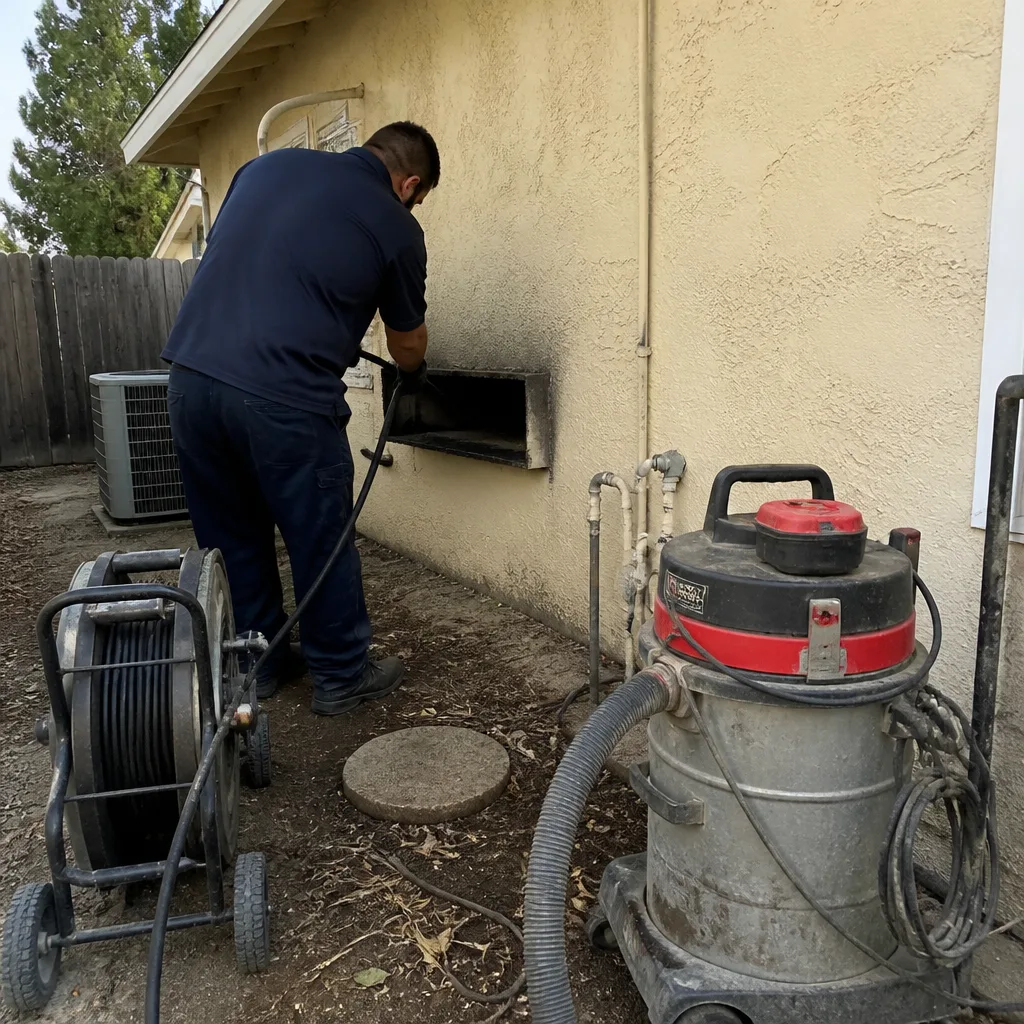 Before
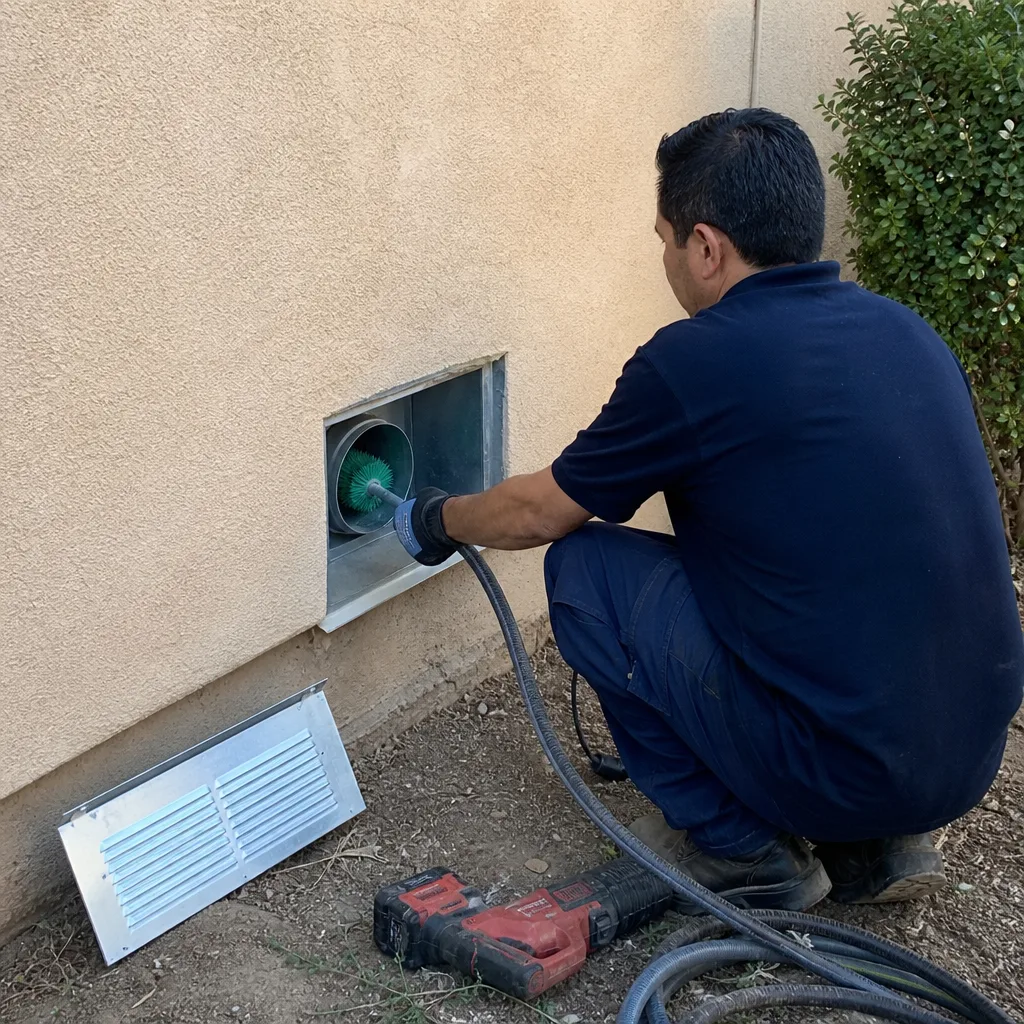 After
Frequently Asked Questions
Post-smoke duct cleaning in the North Sacramento area typically runs $500 to $900 for a full single-family home system, depending on square footage, number of returns, and the severity of contamination. Light particulate cleaning lands at the lower end; heavy smoke residue that requires air handler disassembly and coil cleaning lands at the higher end. Every situation is different, so call (833) 467-4303 for an exact quote. Estimates are free, and the price we quote is the price you’ll pay, agreed before work starts.
Lower quotes almost always mean a different scope of work and different equipment. A $99 or $199 “whole house” offer typically involves a technician spending 45 minutes with a consumer-grade vacuum attachment, cleaning visible vent surfaces without accessing the main trunk lines or air handler. That leaves the contamination where it actually lives: on the coil, in the blower, and along the interior walls of the main duct runs. Commercial-grade systems like Rotobrush and Nikro cost six figures for a reason, and the companies running them charge accordingly.
Ask for before-and-after photos of the interior duct surfaces, not the vent grilles. A serious duct cleaning company in North Sacramento should provide photographic evidence showing the interior walls of the main supply and return trunks before and after cleaning. If a company declines to provide photos or only shows you cleaned grille covers, they did not clean your ducts. We document every job with interior photos because we want you to see exactly what the work accomplished.
For a home in North Sacramento with no unusual contamination events, professional duct cleaning every 4 to 7 years is a reasonable interval, with the shorter end applying to homes with pets, smokers, or residents with respiratory conditions. After a major wildfire smoke event where the system ran substantially, or after any flood-related moisture intrusion, cleaning should happen sooner regardless of the calendar. The event drives the schedule, not the interval.
No, not in any meaningful way. Duct cleaning requires negative-pressure equipment capable of capturing airborne particles inside the duct while agitating them from the duct walls. A household vacuum or a DIY brush kit cannot achieve this, and it will push dislodged particulate into your living space. The interior surfaces of your duct system are not accessible with consumer tools. This is one area where professional-grade equipment is not a marketing point; it’s the job.
In many cases, yes, if the claim is properly documented. Your policy likely covers smoke damage to the home’s interior, and ducts that absorbed wildfire smoke qualify when you can show the system was running during the event, the filter shows visible soot, and a duct professional has provided a written assessment recommending cleaning. Call (833) 467-4303 if you need help with the documentation process after a smoke event in North Sacramento. We write the assessment reports that adjusters expect to see.
They are separate systems and separate services. Your air ducts circulate conditioned air through the living space. Your dryer vent exhausts hot, humid, lint-laden air from the dryer to the exterior. After a smoke event or power outage, both may need attention, but cleaning one does not address the other. Stonebridge provides both services, and we can evaluate both systems in a single visit to North Sacramento homes. The dryer vent is a fire safety issue, not just an efficiency issue, which is why it deserves its own evaluation after any event that affected the home.
The Bottom Line
North Sacramento’s hazard profile – wildfire smoke, winter flood risk, and public safety power shutoffs – means your duct system needs a protocol, not just a cleaning schedule. The protocol has four parts: shut the system down or run it correctly during an active event, document everything for insurance purposes, replace contaminated flex duct after water intrusion rather than waiting for it to dry, and get professional cleaning with contractor-grade equipment after the event passes. A well-executed response keeps a minor contamination event from becoming a persistent air quality problem that lingers in your home for a year. Make the plan now, keep it next to the air handler, and write down our number in the protocol: (833) 467-4303.
Written by the team at Stonebridge Air Duct Cleaning, serving North Sacramento since 2014. Explore more guides & resources.